






Pittsburgh Pet Essentials: Weather, Vet Tips, and Park Picks
Welcome to Pittsburgh
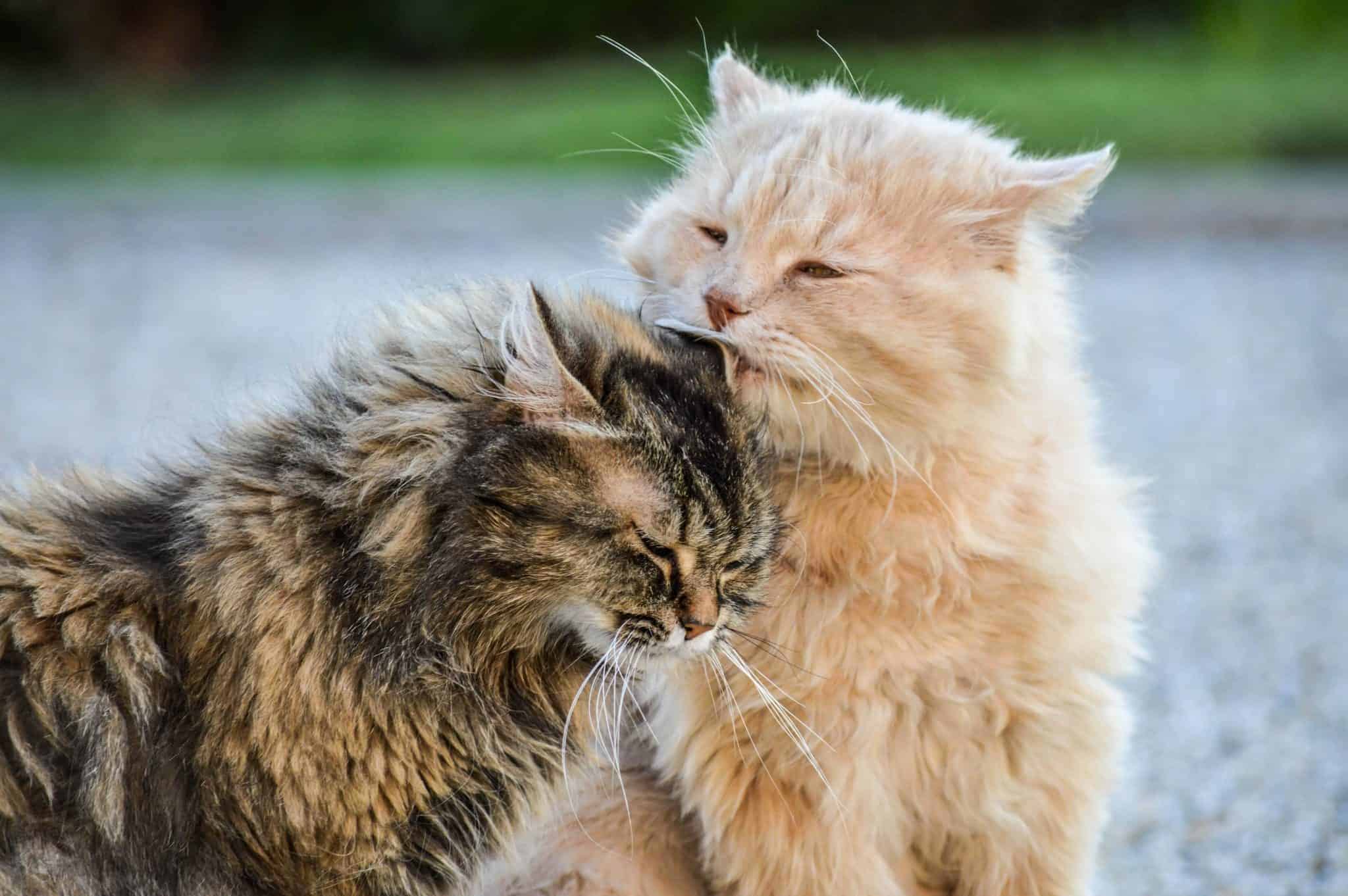
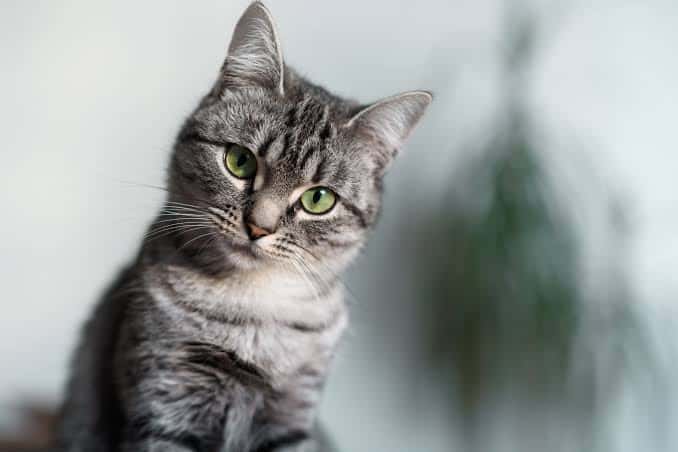
In Pittsburgh, pet love thrives as a cherished aspect of city life, where residents deeply value their furry companions and enjoy a range of pet-friendly activities and services. From leisurely strolls along the riverfront with canine companions to cozy afternoons spent cuddling with cats, Pittsburghers embrace their roles as pet parents with enthusiasm and dedication. With an abundance of parks, pet stores, and veterinary clinics, Pittsburgh provides a welcoming environment for pets and their owners to thrive together
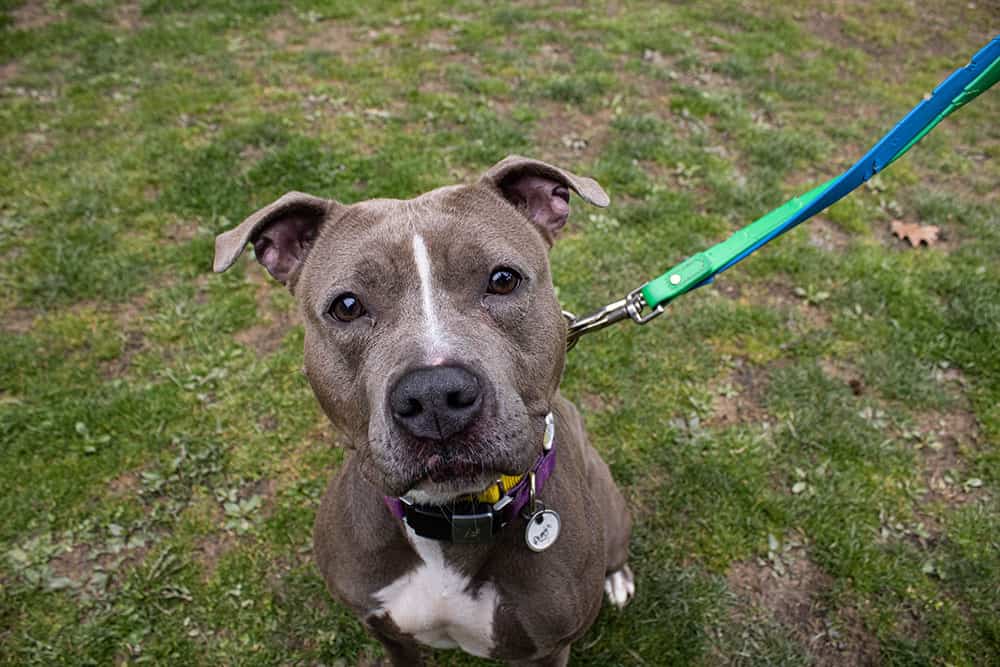
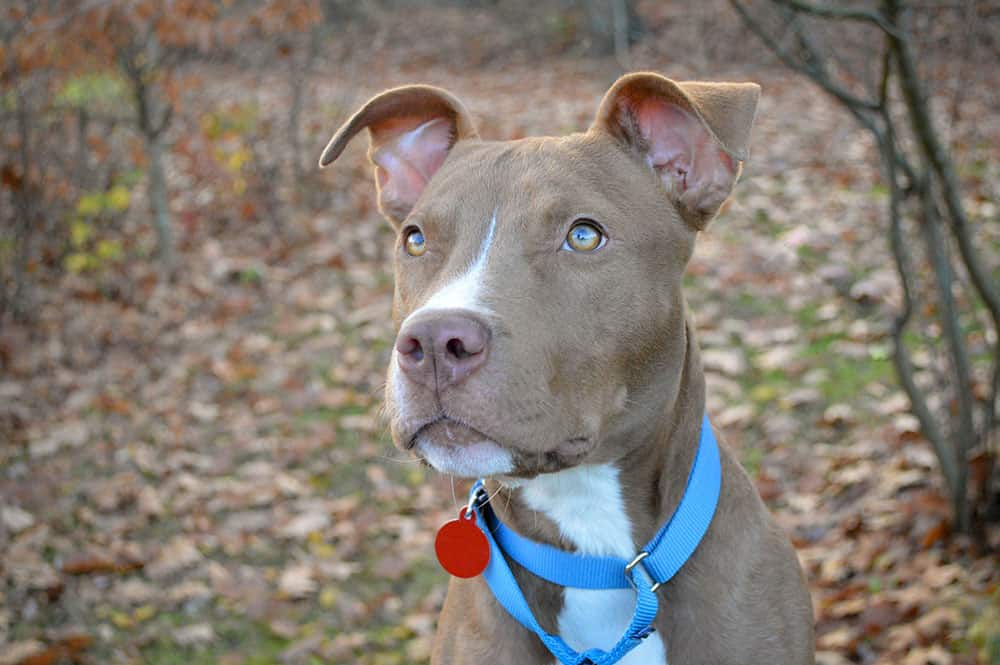
A rescue and advocacy organization focused on rescuing and rehabilitating pit bull type dogs.
Weather conditions in Pittsburgh
In Pittsburgh, pet owners should be mindful of seasonal weather changes, including hot summers and cold winters. Providing adequate shelter, hydration, and protection from extreme temperatures is essential to ensure the well-being of pets throughout the year.
Factors Pet Owners Should Take Care Of in
Pittsburgh
Paw protection in winter: Use pet-safe paw wax or booties to protect your pet’s paws from cold surfaces, ice, and salt on sidewalks and roads.
Avoiding outdoor activities during extreme temperatures: In both hot summers and cold winters, limit outdoor activities during the peak of temperature extremes to prevent discomfort and health issues for your pets.
Monitoring for signs of seasonal allergies: Be aware of common allergens in Pittsburgh’s environment, such as pollen and mold, and monitor your pet for signs of seasonal allergies, including itching, redness, and sneezing.
Preventing exposure to toxic plants and chemicals: Be cautious of plants, fertilizers, and pesticides in outdoor areas, as some may be toxic to pets if ingested. Keep your pet away from potentially harmful substances to avoid poisoning.
Providing adequate hydration during winter: While it’s essential to ensure your pet stays hydrated in hot weather, don’t forget that pets still need access to fresh water during the winter months, as indoor heating can lead to dry air and increased thirst.
Protecting pets from extreme weather events: Be prepared for severe weather events such as thunderstorms, heavy snowfall, or high winds by ensuring your pet has a safe and secure indoor environment and an emergency kit with essentials like food, water, and medications.