






In Columbia, Missouri, pet ownership is a beloved tradition, with residents embracing their furry companions as cherished members of the family. With a range of pet-friendly amenities and services, Columbia offers an inviting environment for pet lovers to thrive.
Famous Pet Parks in Columbia
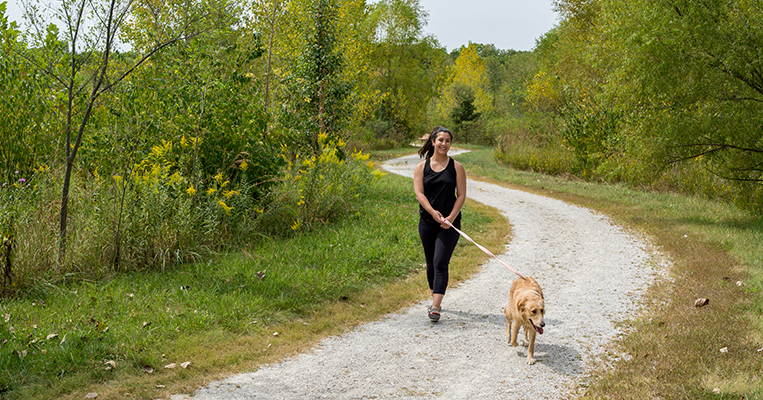
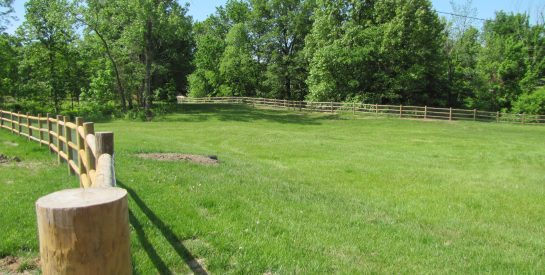
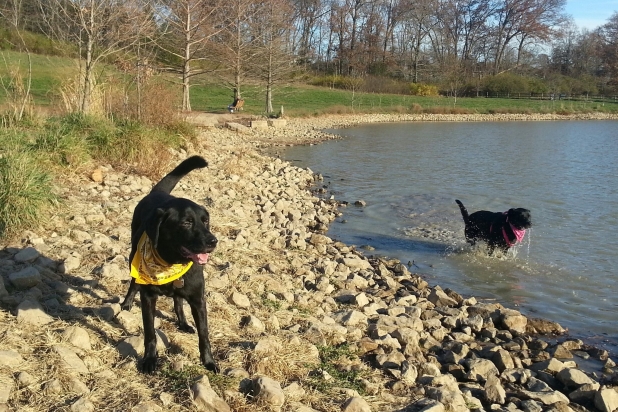
Twin Lake Dog Park: Known for its spacious off-leash areas and scenic walking trails, providing a picturesque setting for dogs to socialize and play.
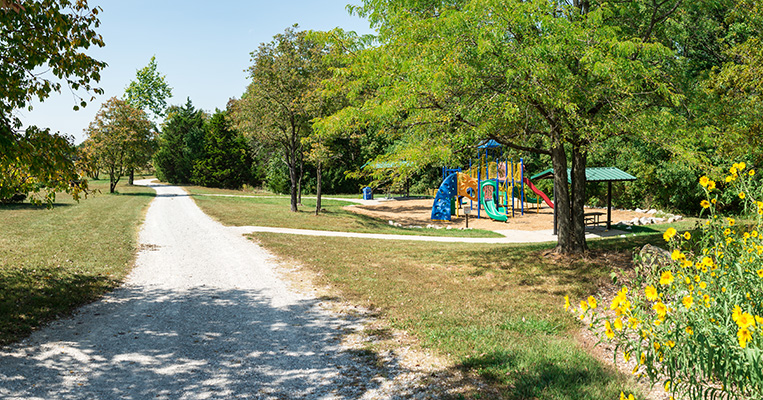
Garth Nature Area: Situated within a larger community park, Canine Cove offers fenced-in areas for small and large dogs, as well as agility equipment for extra fun.
INDIAN HILLS DOG PARK: Features shaded pavilions and water stations for dogs to cool off during hot summer days, creating a comfortable environment for both pets and owners.
A volunteer-run organization that rescues and rehabilitates abandoned and neglected pets, providing them with medical care and a second chance at a loving home.

Weather conditions in Columbia
Columbia experiences a temperate climate with four distinct seasons, including hot summers and cold winters. Pet owners should be mindful of temperature extremes and take precautions to keep their pets safe and comfortable, such as providing adequate shelter and hydration during summer months and protection from the cold in winter.
Factors Pet Owners Should Take Care Of in
Columbia
Tick and Flea Prevention: Use preventive products recommended by veterinarians to protect pets from ticks and fleas, which are prevalent in the area.
Poisonous Plant Awareness: Be aware of common plants that are toxic to pets, such as lilies and azaleas, and keep them out of reach to prevent accidental ingestion.
Outdoor Safety: Supervise pets when outdoors to prevent encounters with wildlife and potential injuries, and ensure they are properly vaccinated against common diseases.
Pet-Friendly Housing: Choose pet-friendly housing options that accommodate pets’ needs and provide a safe environment for them to live comfortably.
Travel Safety: Secure pets properly when traveling in vehicles to prevent accidents and injuries, using crates or harnesses designed for pet transportation.
Emergency Preparedness: Have a plan in place for emergencies, including evacuation procedures and a pet emergency kit containing essential supplies like food, water, and medical records.