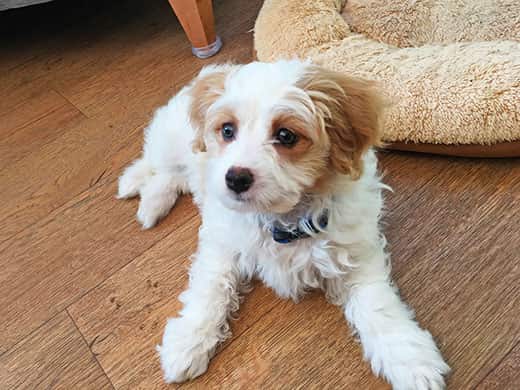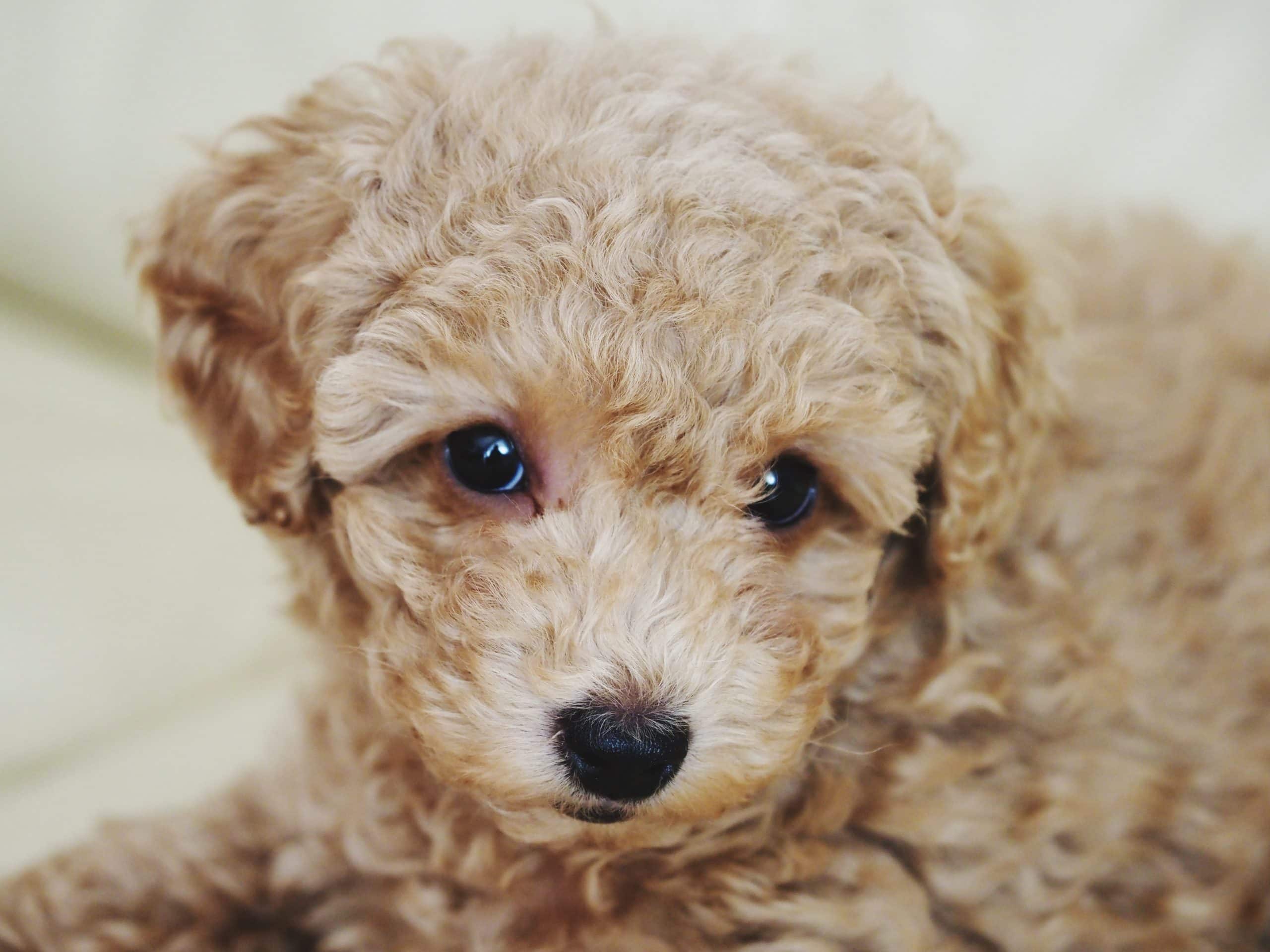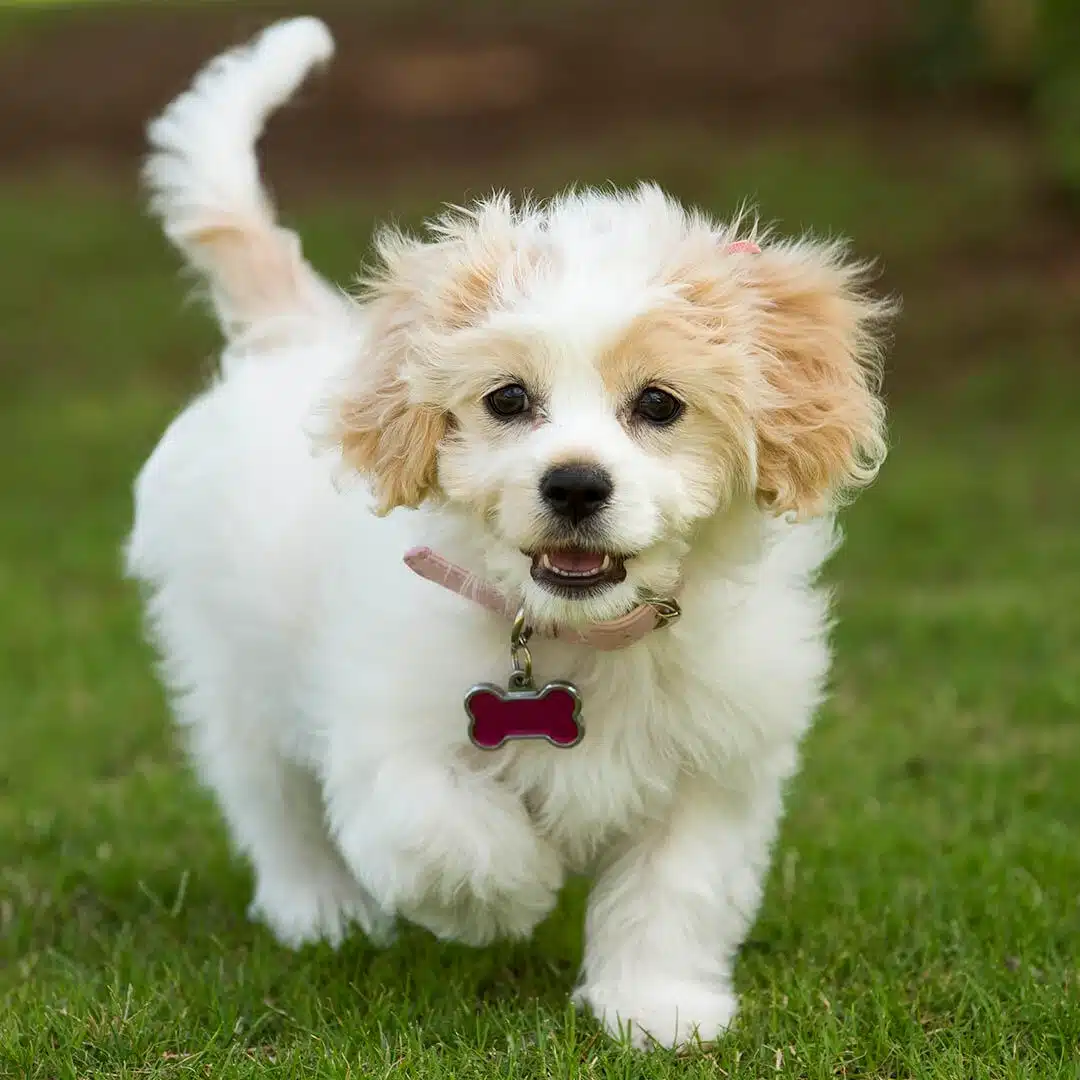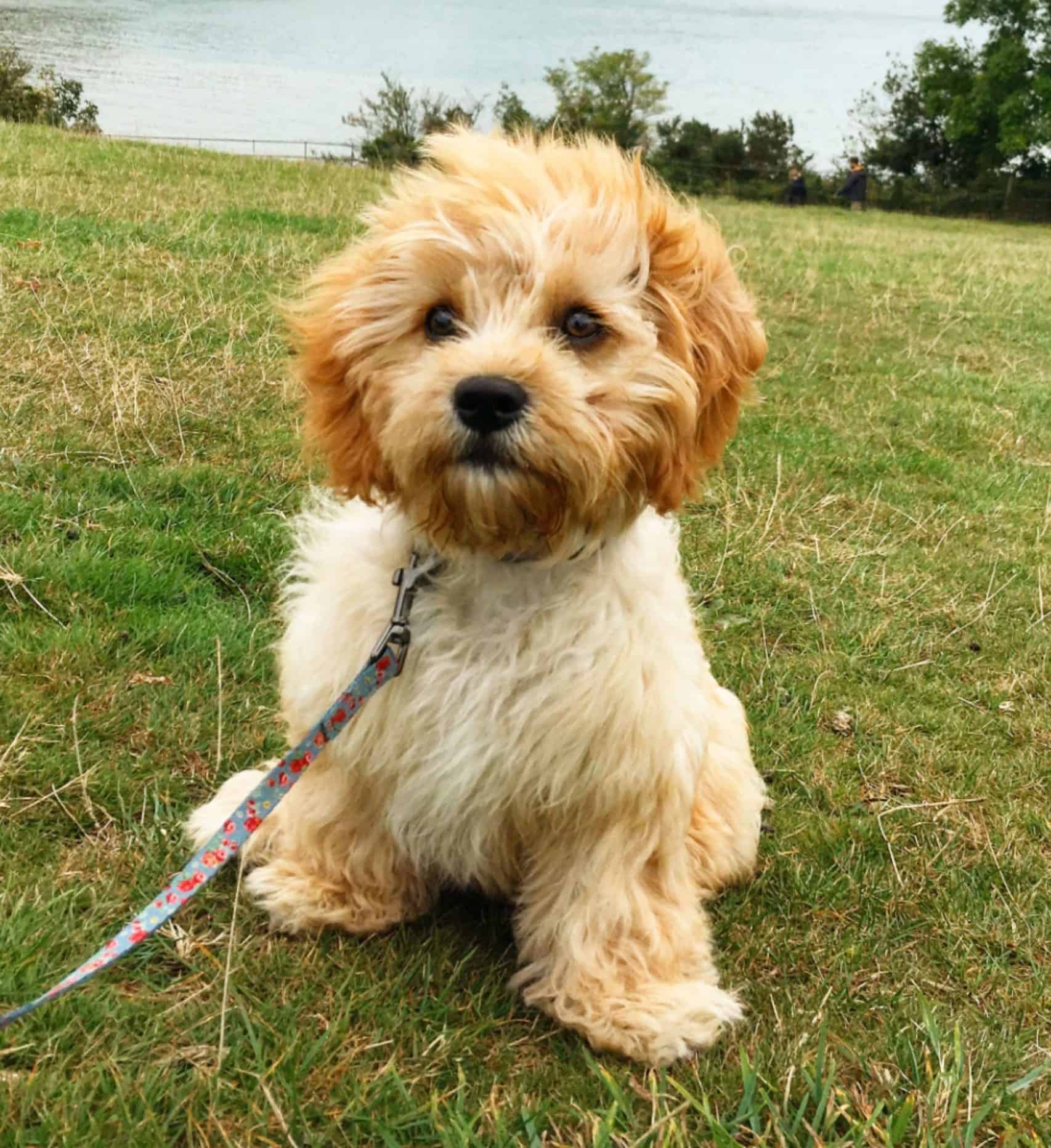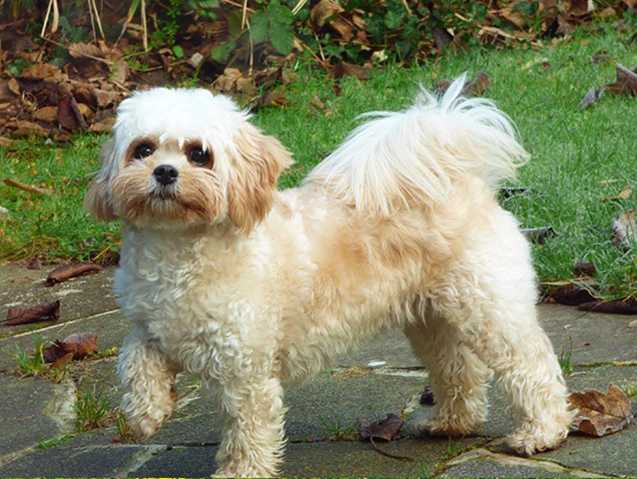
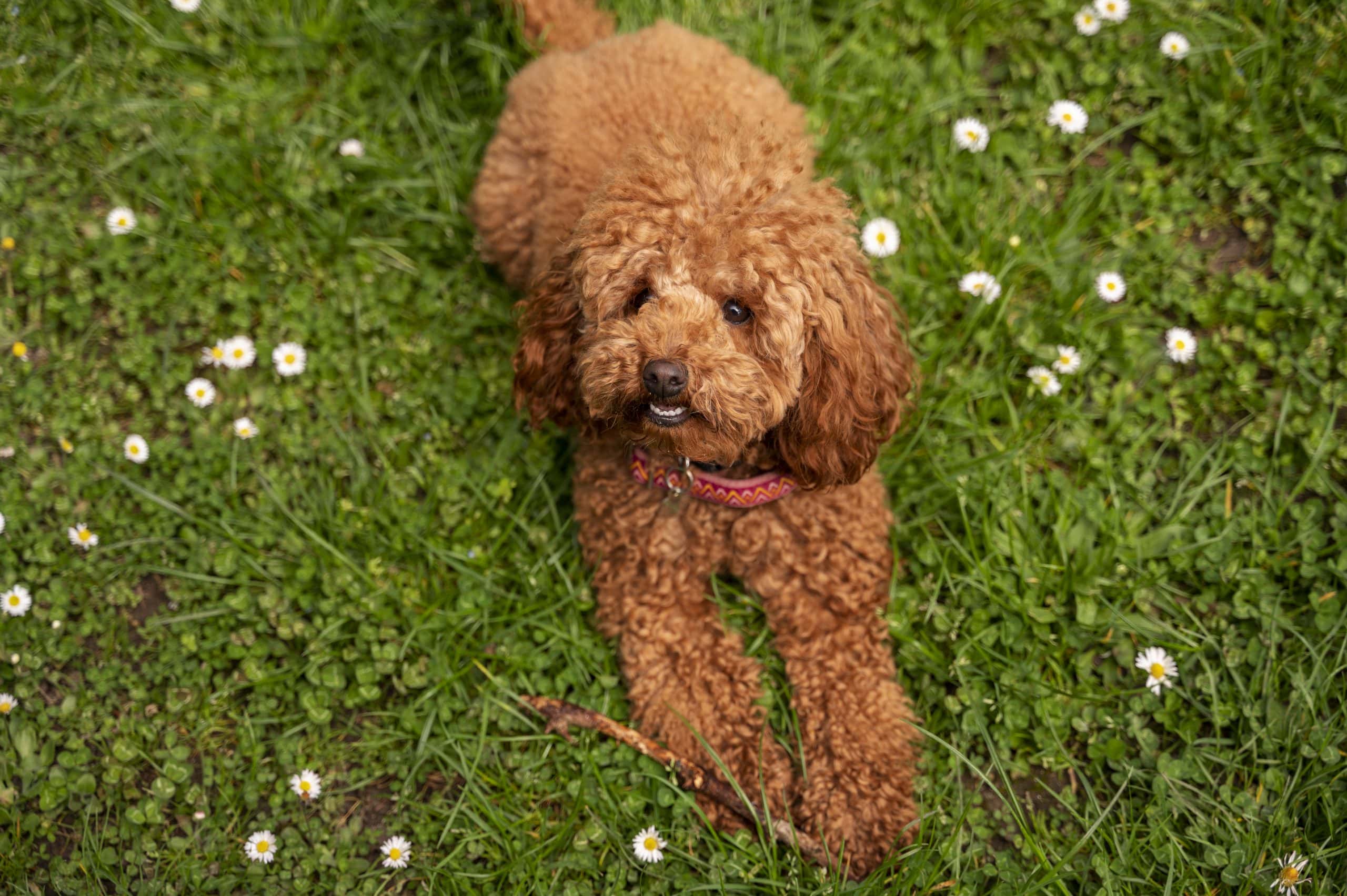


The Mini Goldendoodle breed goes by various names such as Mini Groodle, Mini Goldiepoo, Mini Goldenpoo, and Golden Retriever Poodle mix.

These mixed-breed pups are a delight, bringing playfulness and entertainment, making them an excellent choice for families with children. Their friendliness extends to children of all ages, other dogs, pets, and even strangers, showcasing their gentle and sociable nature.
Goldendoodle dogs effortlessly integrate into various living situations, finding comfort in both large and small families, singles, couples, and seniors alike. Their adaptability, trainability, and easy grooming make them an ideal choice for first-time pet owners.
Benefiting from hybrid vigor, Mini Groodles tend to lead longer, healthier lives. They showcase versatility by quickly adapting to diverse climates, thriving in both hot and cold environments. With their sweet, gentle, and loyal disposition, Mini Goldiepoos make exceptional therapy and emotional support dogs.
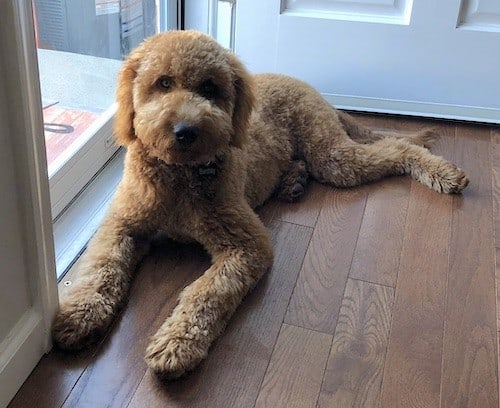

Miniature Goldendoodles are highly trainable dogs, thanks to their agility, intelligence, and eager-to-please personalities. Their inclination to impress makes training, especially in tricks, an enjoyable and rewarding activity. Leash training and socializing a Mini Groodle puppy are generally straightforward tasks. They quickly befriend other dogs, pets, and humans, displaying a love for exploring new places.
These family-oriented dogs form strong attachments, and prolonged periods of solitude can lead to separation anxiety. It is advisable to gradually acclimate them to short periods alone during puppyhood to foster independence and prevent potential behavioral issues.
Mini Goldendoodles are an excellent choice for families with children. Their playful and gentle nature makes them great companions for kids of all ages.
These dogs are generally friendly and sociable, making them good with other pets. They tend to get along well with both dogs and other animals.

Mini Goldendoodles thrive on companionship and do well in social settings. They may experience separation anxiety if left alone for extended periods, so gradual training for alone time is recommended.
While not excessive barkers, Mini Groodles may bark to alert their owners or express excitement. Proper training can help manage their barking tendencies.
These dogs are highly intelligent and eager to please, making them quick learners. They excel in obedience training and enjoy mental stimulation.
Positive reinforcement methods work well for Mini Goldendoodles. They respond positively to praise, treats, and play as rewards for good behavior.
Due to their intelligence, Mini Goldendoodles are generally easy to housebreak with consistent training and positive reinforcement.
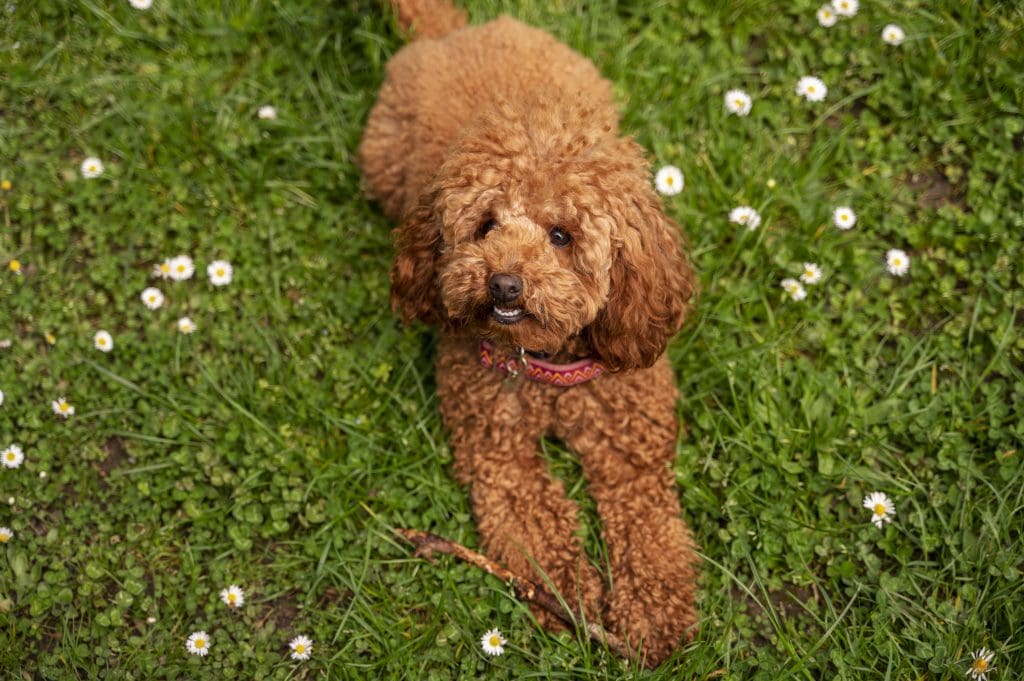
Mini Goldendoodles have moderate energy levels and require daily exercise to stay healthy and happy. Regular walks, playtime, and interactive activities are essential.
They enjoy activities that engage both their mind and body, such as fetch, agility exercises, and interactive toys.
Grooming needs depend on the length and type of coat. Short-coated Mini Goldendoodles may only need weekly brushing, while longer coats require two to three brushings per week.
Regular brushing helps prevent tangles and matting. Monthly baths, nail clipping, and ear cleaning are essential aspects of their grooming routine.
Mini Goldendoodles are generally non-shedding, but grooming helps manage loose hair. Shedding can vary based on individual dogs and their coat types.
A balanced and high-quality diet is essential for their overall health. Consult with a veterinarian to determine the appropriate diet for your Mini Goldendoodle based on age, weight, and activity level.
Divide their daily food intake into two meals to maintain energy levels and prevent overeating.
Individual dogs may have specific dietary needs or restrictions, so it’s important to monitor their weight and adjust their diet accordingly.
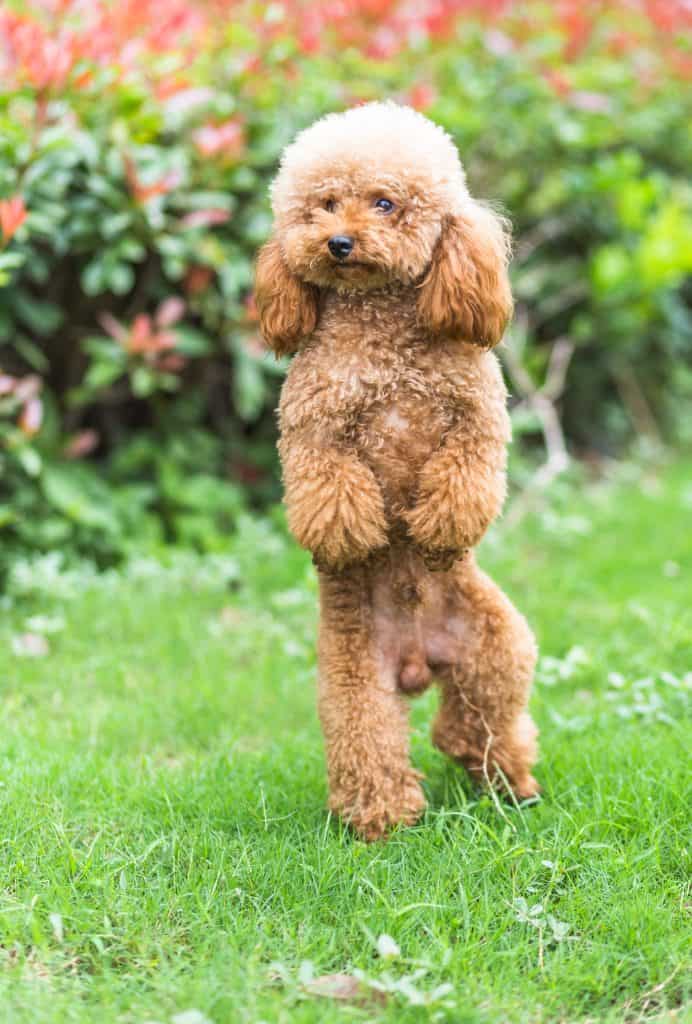
While generally healthy, Mini Goldendoodles may be prone to conditions like hypothyroidism, patellar luxation, allergies, ear infections, Von Willebrand Disease, elbow dysplasia, and retinal atrophy. Regular veterinary check-ups and preventive measures can help manage their health.
Follow a vaccination schedule recommended by your veterinarian and schedule regular health checkups to monitor your Mini Goldendoodle’s overall well-being.
The Mini Goldendoodle typically has a lifespan ranging from 12 to 16 years. Regular veterinary check-ups, a proper exercise routine, and a high-quality diet can contribute to an increased life expectancy for the breed.
Mini Goldendoodles adapt well to various living environments, including apartments and houses with or without yards. They thrive in settings where they receive ample attention and exercise.
These dogs are adaptable to different weather conditions, thanks to their versatile coat types. However, extreme temperatures should be taken into consideration, and they may require protection in harsh weather.
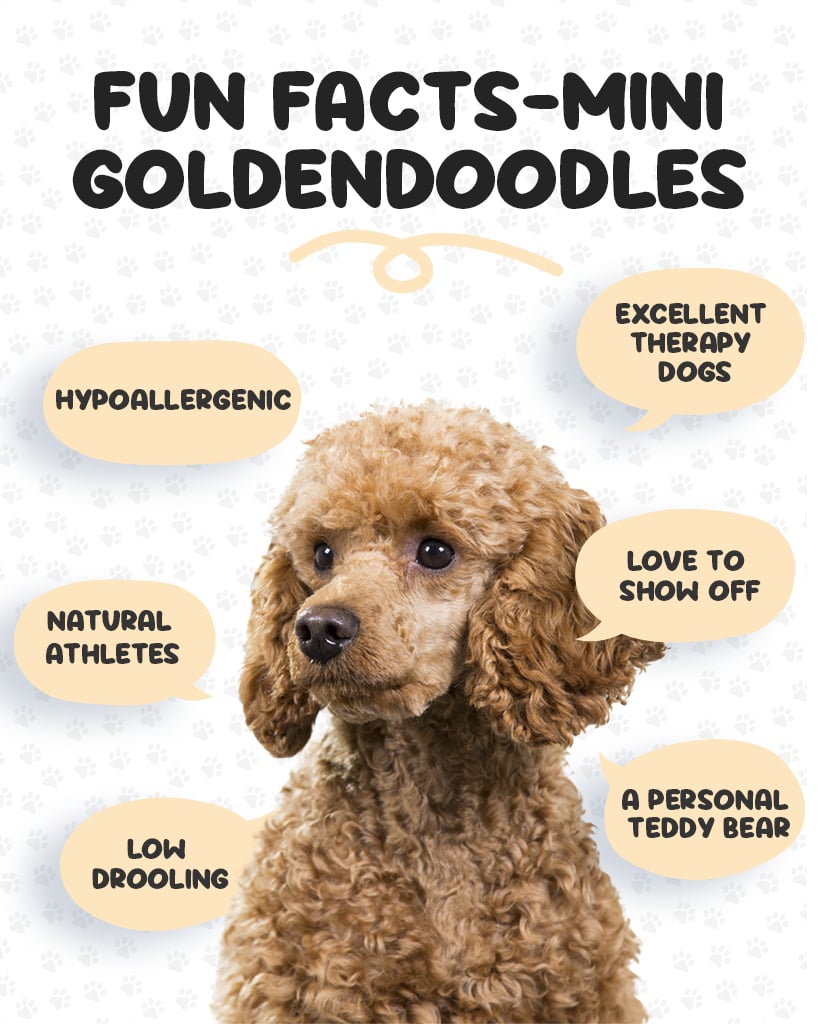
Mini Goldendoodles may have higher energy levels, especially if they lean more towards the poodle side. Ensure they receive sufficient mental and physical stimulation to prevent boredom and potential behavioral issues.


Suggest books and articles that offer in-depth information on Mini Goldendoodles, their care, and training.
Copyright © 2024 The Pet Pros