Your Charming Companion

Renowned as Cuba’s national dog, the Havanese is globally celebrated for its affectionate nature, striking appearance, and adaptability. These little wonders, belonging to the Bichon family, captivate hearts with their silky coats, expressive eyes, and lively demeanor. Despite their small size, they thrive as companions in apartments or larger homes, bringing warmth and love to their owners’ lives.
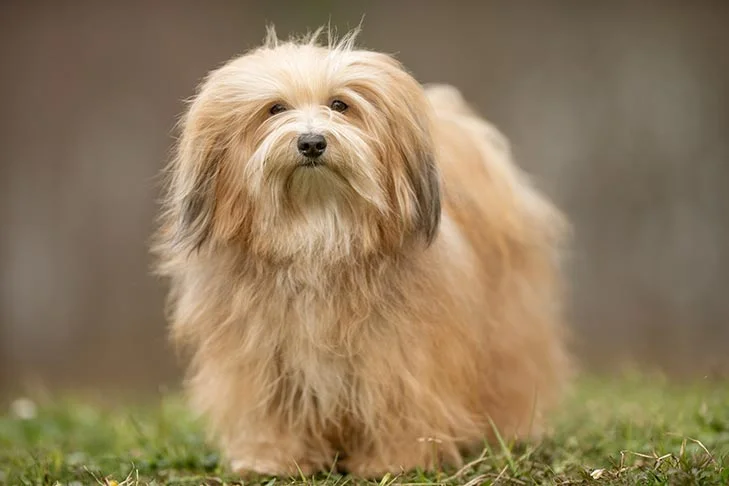

Table of Contents

History and Origin

The Havanese, belonging to the Bichon family, has a rich history as Cuba’s national dog. Known for their silky coats, expressive eyes, and lively demeanor, Havanese dogs have become cherished companions worldwide.

Breed Purpose

The Havanese serves as a delightful companion, embodying affection, intelligence, and adaptability. Their social nature and vibrant coat make them a charming addition to any family.

Appearance

Size

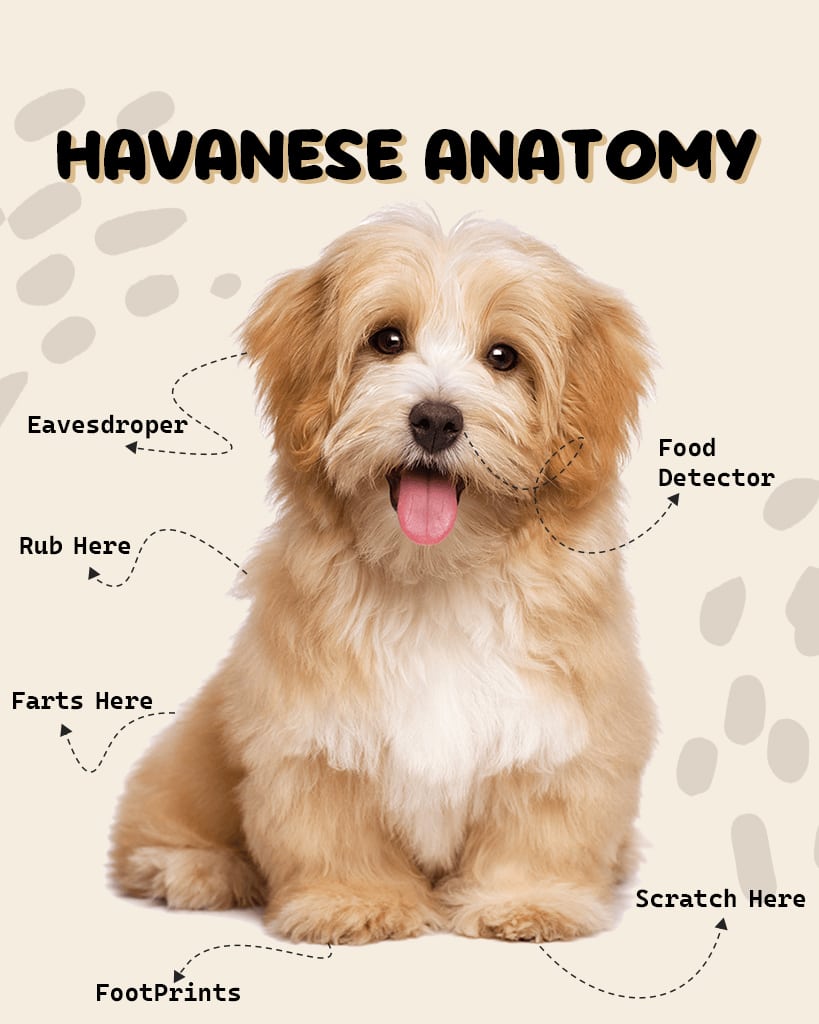
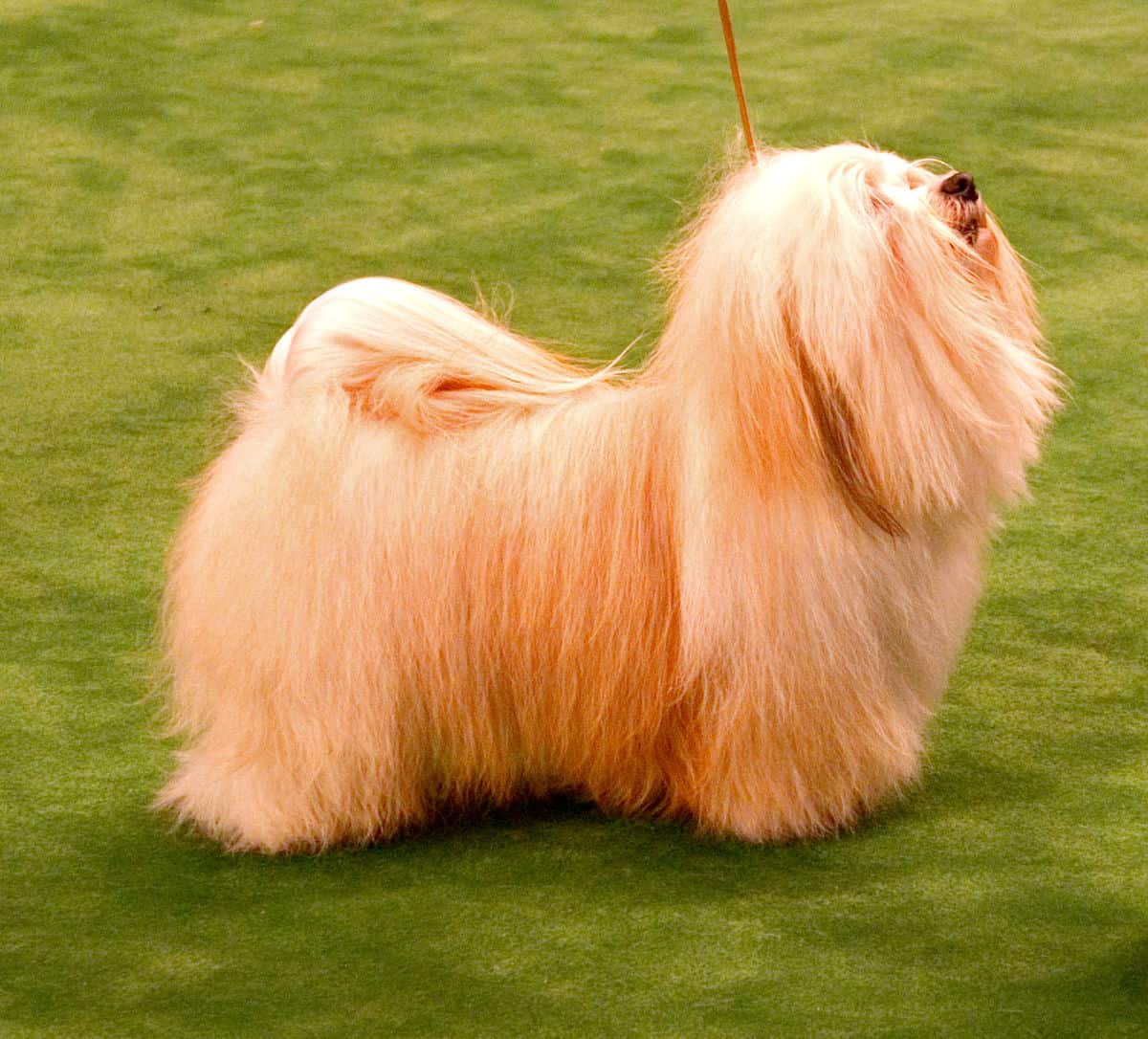
Havanese dogs are small yet sturdy, with a slightly longer than tall body. Their distinctive appearance includes expressive dark brown, almond-shaped eyes, droopy hair-covered ears, and a lively, graceful gait.

Coat Type and Colors

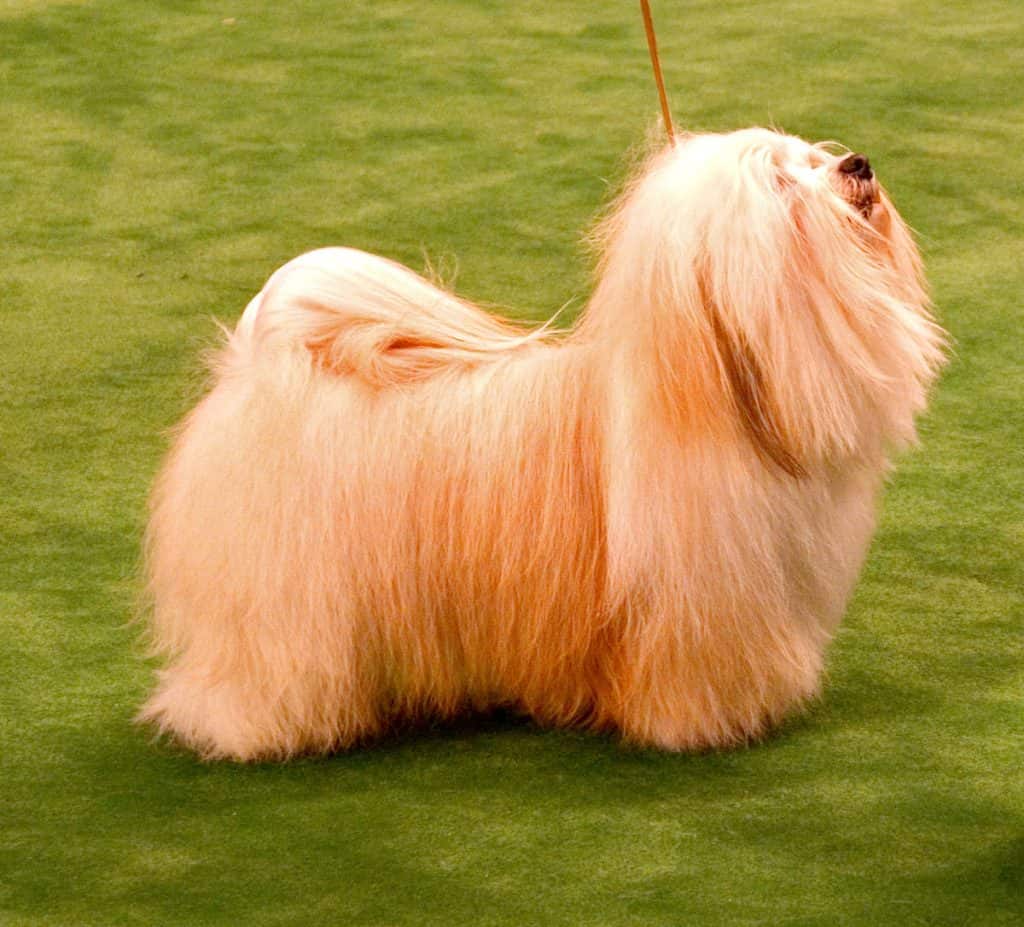
With a tousled, wavy curly fur often likened to teddy bears, Havanese come in a range of colors, including white, cream, champagne, gold, black, blue, silver, and chocolate.

Distinctive Physical Characteristics

Their lively movements, gracefully arched tail, and hidden sturdy frame beneath their beautiful coat contribute to the Havanese’s endlessly endearing appearance.

Temperament

Havanese dogs are natural socialites, effortlessly making friends with humans and other animals. Their charming personalities shine at family gatherings and park visits.

Behavioral Traits

Intelligent and agile, Havanese quickly learn new commands, requiring mental stimulation to prevent boredom. They are vocal communicators, expressing feelings openly, with proper training to manage excessive barking tendencies.

Compatibility with Families

Good with Kids?

Known for their affectionate and good-natured temperament, Havanese dogs are excellent companions for families, spreading joy wherever they go.

Good with Other Pets?

Their social nature makes them adaptable to various living environments, easily forming bonds with other pets.

Social and Behavioral Tendencies

Social Needs

Havanese thrive on social interactions, adapting seamlessly to various living environments and weather conditions.

Tendency to Bark or Howl

Proper training helps manage their vocal nature, curbing excessive barking tendencies.

Intelligence and Trainability

Learning and Obedience

Havanese dogs are intelligent and agile, responding well to positive reinforcement and training techniques.

Training Methods

Positive reinforcement and interactive games provide the challenge they need. Be mindful of their sensitivity and avoid harsh corrections.

Ease of Housebreaking

Potty training demands patience and consistency, progressing gradually from basic commands to advanced tricks.

Exercise Needs

Daily Exercise Requirements

Though not hyperactive, Havanese dogs need daily exercise for physical and mental well-being, enjoying short walks and playtime.

Suitable Activities

Adaptable and playful, they enjoy games like fetch and tug-of-war, along with mental stimulation through training sessions.

Grooming Requirements

Frequency of Grooming Needed

Daily brushing using a quality slicker brush and a comb with wide and narrow teeth helps maintain their soft, flowing double coat.

Specific Grooming Tips

Regular bathing, ear and eye care, teeth brushing, and nail trimming contribute to their well-groomed appearance.

Shedding

Their coat, whether short or long, requires regular grooming for the comfort and happiness of your Havanese.

Diet and Nutrition

Dietary Needs

A balanced diet supports the overall health of your Havanese.

Recommended Feeding Schedule

Establishing a regular feeding schedule contributes to their well-being.

Special Dietary Considerations

Monitor their diet to prevent allergies and sensitivities.

Health and Care

Common Health Issues

While generally robust, Havanese may face health issues such as hip dysplasia, dislocated kneecaps, progressive retinal atrophy, chondrodysplasia, heart murmurs, Legg-Calvé-Perthes disease, and allergies.

Preventive Measures

Regular vet check-ups, early detection, and a balanced diet contribute to their impressive 14 to 16-year lifespan.

Lifespan

A loving environment, proper care, and a balanced diet contribute to the longevity of Havanese, with an average lifespan of 14 to 16 years.

Living Conditions

Ideal Living Environment

Adaptable to various living environments, Havanese thrive in apartments or larger homes, bringing warmth and love to their owners’ lives.

Adaptability to Weather Conditions

Their adaptability extends to different weather conditions, making them versatile companions.

Special Needs

Any Special Care

Caution against separation anxiety, as their loyalty may lead to discomfort when left alone for extended periods.

Cost of Ownership

Havanese puppies from breeders typically cost $1000-$2500, with some pups costing more. 

Breed-Specific Tips and Advice

Training Challenges and Tips

Training your Havanese is a rewarding journey. Their intelligence and eagerness to please respond well to positive reinforcement.

Tips for First-Time Owners

Enjoy the process of building a deep bond through training and companionship.

Where to Buy/Adopt

Finding a Reputable Breeder or Rescue

Research and choose reputable sources. Avoid puppy mills.

What to Look for

Consider health, living conditions, and breeder reputation.

Questions to Ask

Inquire about health history, socialization, and overall care.

FAQs

Testimonials from Owners

Connect with Us for More Information or to Schedule a Visit! Ready to welcome a charming Havanese into your life? Whether you're a seasoned dog owner or a first-timer, we're here to provide more information, personalized advice, or help you schedule a visit with these affectionate and adaptable companions. Your journey to Havanese companionship starts here!