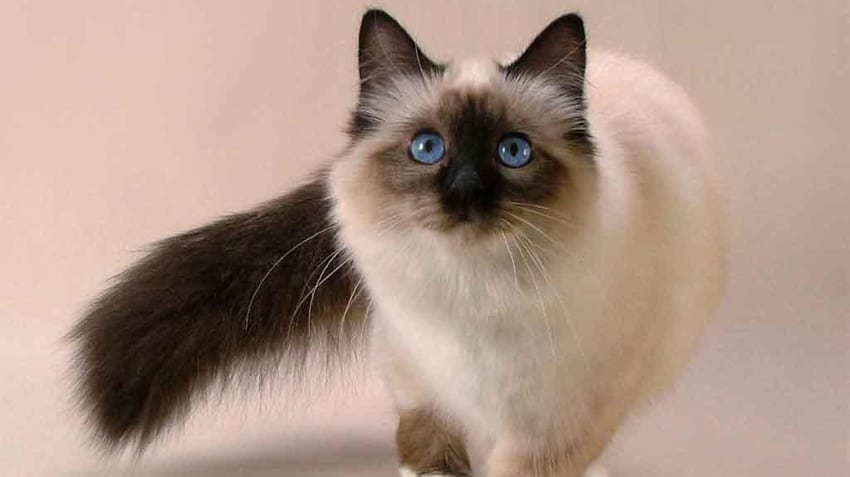
The Balinese cat is an elegant and playful breed known for its silky, semi-longhair coat, striking blue almond-shaped eyes, and affectionate nature. Originating as a longhaired variant of the Siamese, the Balinese shares the Siamese’s vocal tendencies and sociable demeanor. With their graceful appearance and engaging personality, Balinese cats make charming and interactive companions.
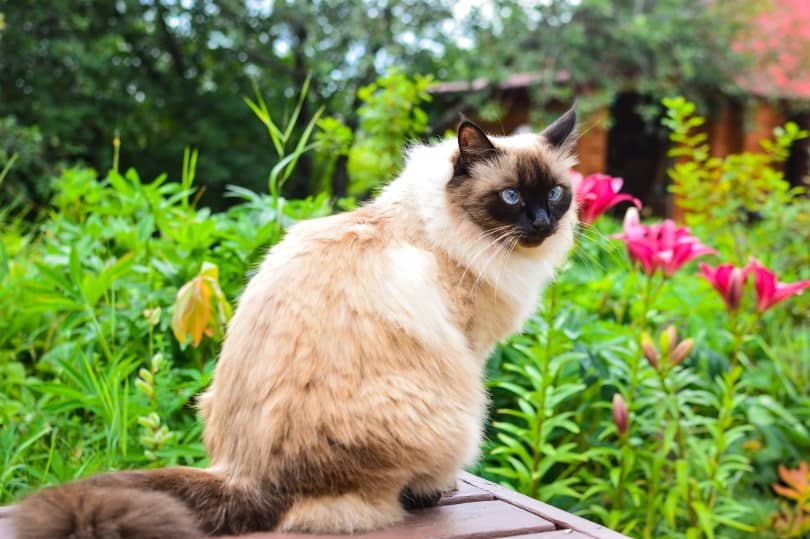


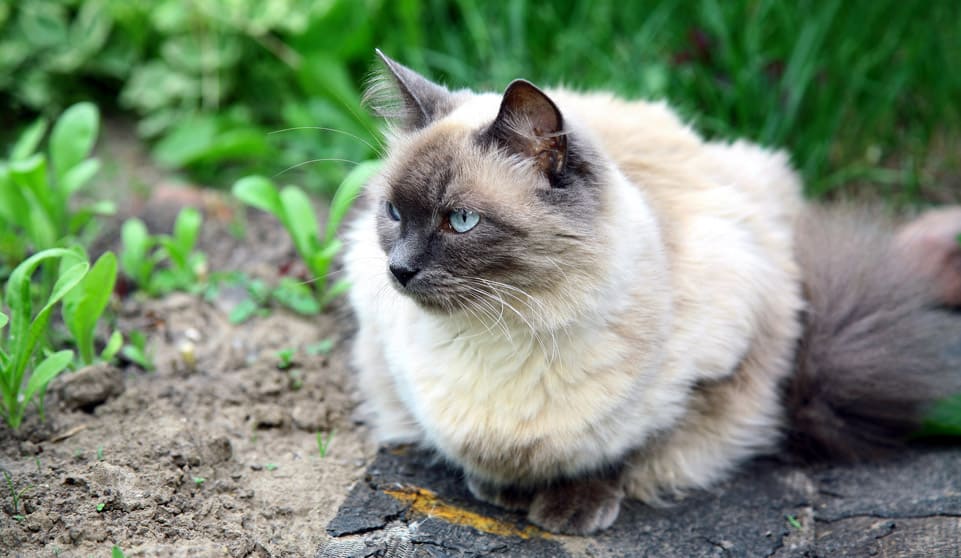
Balinese cats have a slender, tubular body with a long and tapering tail. Their semi-longhair coat is fine and silky, with darker points on the ears, face, paws, and tail. The striking blue eyes and elegant lines contribute to their overall regal appearance.
Despite the semi-longhair coat, Balinese cats have minimal grooming needs. Regular brushing helps prevent matting and reduces shedding. Attention to dental care and ear cleaning is recommended.
Routine vet visits are crucial to monitor their overall health and address any potential health concerns.
Balinese cats, like many breeds, benefit from a balanced diet and regular exercise to maintain a healthy weight.
Dental hygiene is important for this breed. Regular tooth brushing and dental check-ups contribute to their overall well-being.
Balinese cats typically have a lifespan of 12 to 16 years. Providing proper care, attention to their health needs, and a loving environment contribute to a long and happy life.
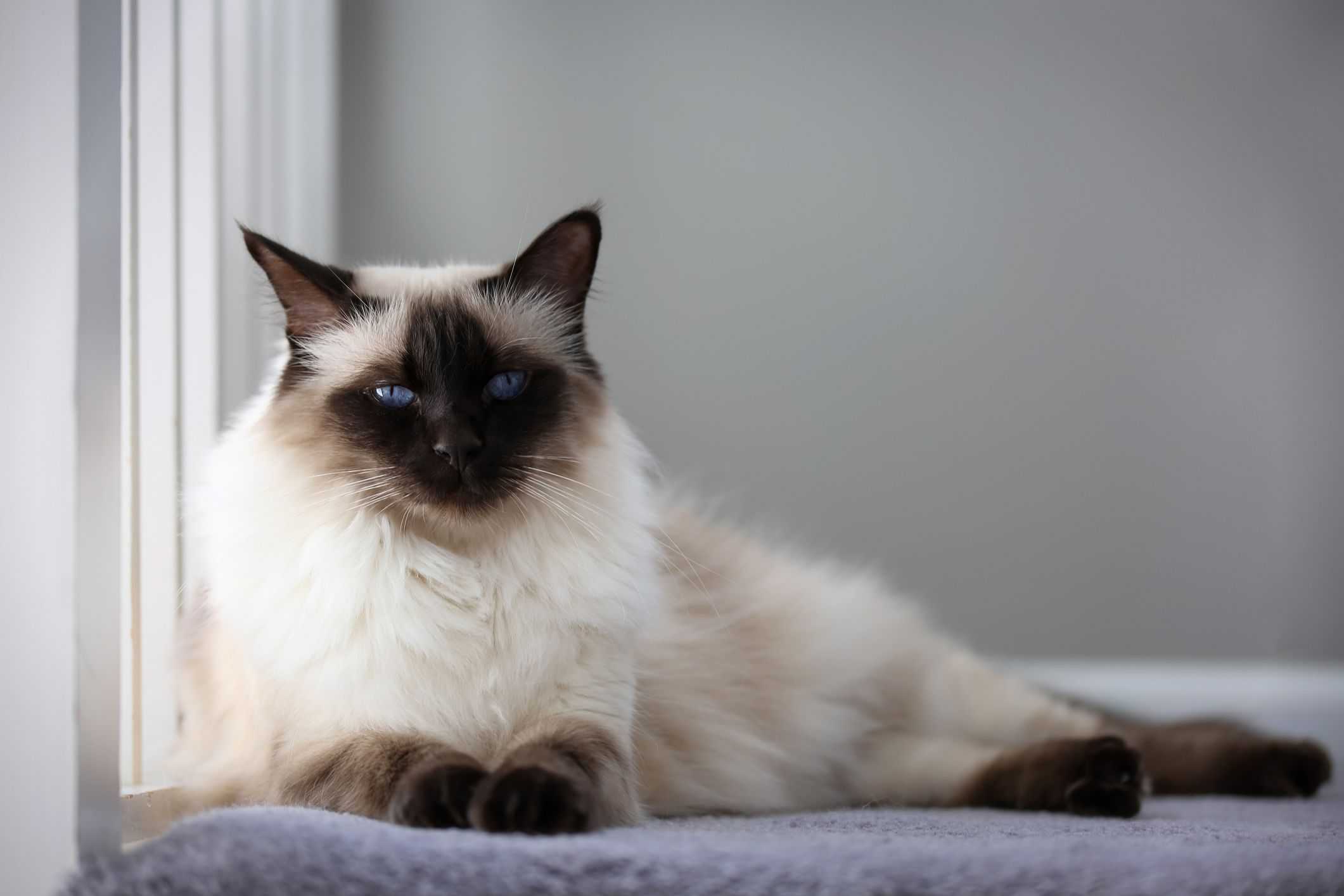
Balinese cats share Siamese traits but have longer hair. Explore their unique characteristics, temperament, and grooming needs.
Regular brushing is vital for their semi-longhair coat. Attend to their dental health and provide appropriate toys for oral care.
Balinese cats produce fewer allergens but aren't entirely hypoallergenic. Spend time with one to assess potential allergic reactions before bringing one home.
Balinese cats are known for being affectionate, social, and vocal. Understand their need for interaction and provide stimulating activities to keep them happy.
Balinese cats are often more susceptible to Amyloidosis, a condition prevalent in Siamese and Balinese breeds. This disorder involves the presence of a specific abnormal protein in the liver and, occasionally, other organs. Over time, these proteins can replace normal cells, resulting in various health issues.
Copyright © 2024 The Pet Pros