

For adults with autism, navigating the complexities of daily life can present unique challenges. From sensory sensitivities to social interactions, each day may bring its own set of hurdles to overcome. In the hopes of finding support and companionship, many individuals with autism find solace and assistance in the form of service dogs. These specially trained companions offer not only practical assistance but also emotional support, a constant source of comfort, and so much love!
At Pet Pros, we understand the profound impact a service dog can have on the life of an adult with autism. That’s why we’re committed to helping individuals find the perfect four-legged companion to enhance their quality of life! With our expertise in responsible pet adoption and dedication to expert matchmaking, Pet Pros is the ideal starting point for anyone considering the life-changing journey of becoming a pet parent and finding the best service dog breeds for adults with autism.
Our expert staff can help you explore the benefits of having a service dog to help navigate life with autism. Beginning your search at Pet Pros can lead to finding the perfect partner in your journey toward greater independence and fulfillment!
7 Tasks Service Dogs Do
Outside of unconditional love, service dogs for autistic adults can be trained to perform a variety of tasks tailored to their handler’s specific needs. Some common tasks include:
- Sensory Support: Service dogs can provide sensory support by interrupting repetitive behaviors or self-harming actions, redirecting their handler’s focus, or providing deep pressure therapy to help alleviate anxiety or sensory overload.
- Anxiety and Panic Assistance: Dogs can be trained to recognize signs of anxiety or panic attacks and provide grounding techniques to help their handler regain composure. This might include nuzzling or applying pressure to provide comfort, or leading their handler to a quiet, safe space.
- Social Skills Development: Service dogs can assist in improving social skills by acting as a bridge between their handler and others. They can encourage social interaction by prompting their handler to initiate conversations or providing comfort during social situations.
- Safety Assistance: Besides companionship, service dogs can be trained to help autistic adults who wander or run away from safe places. Service dogs can be tethered to their person to prevent them from wandering, a dangerous behavior that affects nearly half of people with autism.
- Routine and Schedule Maintenance: Service dogs can help their handlers stick to a routine by providing reminders for important tasks or activities, such as taking medication, attending appointments, or transitioning between activities throughout the day.
- Navigation and Mobility Assistance: For individuals with autism who may have mobility challenges or difficulty navigating public spaces, service dogs can provide physical support and guidance. They can assist with walking, balance, and navigating obstacles in crowded or unfamiliar environments.
- Crisis Response: In the event of a medical emergency or crisis, service dogs can be trained to seek help, alert caregivers, or provide assistance until help arrives.
These are just a few examples of the tasks that service dogs can be trained to perform but each dog’s training can be tailored to the individual needs of their handler, with a focus on promoting independence, safety, and emotional well-being for their pet parent.
8 Surprisingly Best Service Dog Breeds for Adults with Autism
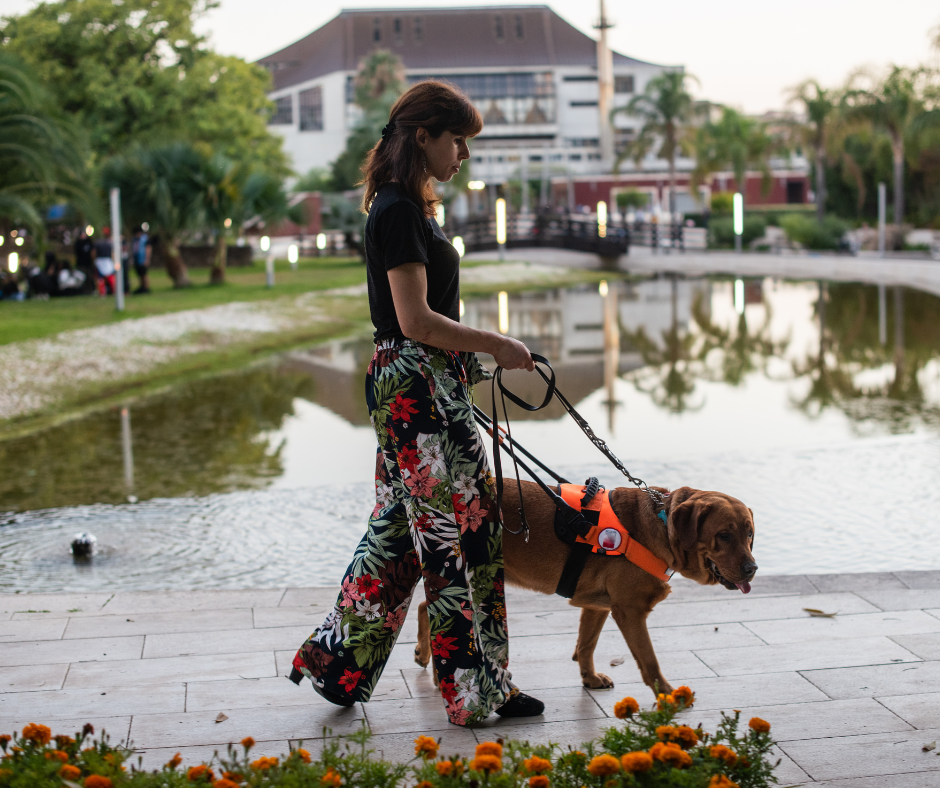
While certain dog breeds are commonly associated with service work, such as Labrador Retrievers, Golden Retrievers, and German Shepherds, many breeds may not be as commonly recognized for their suitability as service dogs for adults with autism. However, with the right training and temperament, these breeds can excel in service work too! Here are a few examples:
- Boxer: Boxers are energetic, loyal, and eager to please, making them well-suited for service work. They can be trained to assist individuals with mobility challenges, provide emotional support, and even work as medical alert dogs.
- Border Collie: Border Collies are highly intelligent and thrive on mental stimulation and training. While they are commonly associated with herding, they can also excel in service roles, such as assisting individuals with autism or providing support for those with psychiatric conditions.
- Great Dane: Despite their large size, Great Danes have gentle temperaments and a calm demeanor, making them one of the best service dog breeds for adults with autism. They can provide stability and assistance for individuals with mobility issues and offer emotional support for those with anxiety or PTSD.
- Bernese Mountain Dog: Known for their gentle nature and strong bond with their owners, Bernese Mountain Dogs can make excellent service dogs. They excel in providing emotional support, assisting with mobility, and even working as therapy dogs in healthcare settings.
- Cavapoo: Cavapoos are a mix of Cavalier King Charles Spaniel and Poodle, combining the affectionate nature of the Cavalier with the intelligence and trainability of the Poodle. They are known for their gentle disposition and make excellent companions for individuals with autism.
- Yorkipoo: Yorkipoos are a mix of Yorkshire Terrier and Poodle, known for their 6. intelligence and affectionate nature. They are often loyal, energetic, and eager to please, making them well-suited for individuals who may benefit from a small, trainable companion.
- Cavalier King Charles Spaniel: Cavaliers are known for their affectionate nature and strong desire to please their owners. While they are often seen as companion animals, they can also excel in service roles, such as providing emotional support or working as therapy dogs for individuals with mental health conditions.
- Havanese: Havanese are affectionate, sociable, and playful dogs known for their gentle nature. They form strong bonds with their owners and thrive on companionship, making them well-suited for individuals who may benefit from a loyal and affectionate companion.
These are just a few examples of dog breeds that may not be commonly associated with service work but can excel in various roles with the right training and temperament. Ultimately, the best service dogs for adults with autism depend on a multitude of factors.
Testimonials from Adults with Autism Who Have A Service Dog
“To say that service dogs save lives is an understatement- I saw them save and vastly improve the lives of veterans, and I saw my own service dog give me life back.”
– Haley Y.
“Yvette will be able to help Victoria in multiple different dimension of functioning. She will help lessen these anxieties/stresses, she will be able to help Victoria get items that she drops/can’t get to due to her spinal fusion, she can help with balance issues related to arthritis and spinal fusion.”
– Victoria and Yvette
Pet Pros Is Here to Help You Find Your Furry Companion
Pet Pros staff members understand it’s essential to consider each dog’s temperament, energy level, and compatibility with the handler’s lifestyle and needs. Additionally, factors such as hypoallergenic coats, trainability, and food costs should be taken into account when selecting the right breed for a service dog or companion animal.
Altogether, the bond between an adult with autism and a service dog can be profoundly transformative, offering companionship, support, and a sense of security in navigating the complexities of daily life. From providing emotional support and sensory assistance to promoting social interaction and independence, service dogs play a vital role in enhancing the well-being and quality of life of individuals with autism.
At Pet Pros, individuals with autism can find not only a wide selection of potential service dog candidates but also a team of experts who understand the unique needs and preferences of both the handler and the dog. Through careful guidance, thorough evaluation, and expert training, Pet Pros ensures that each service dog match is a harmonious blend of personalities, fostering a lifelong bond between human and canine companions.
Considering a furry pal for your little one? Check out our blog Canine Companions for Children with Autism: Breeds That Make a Difference!