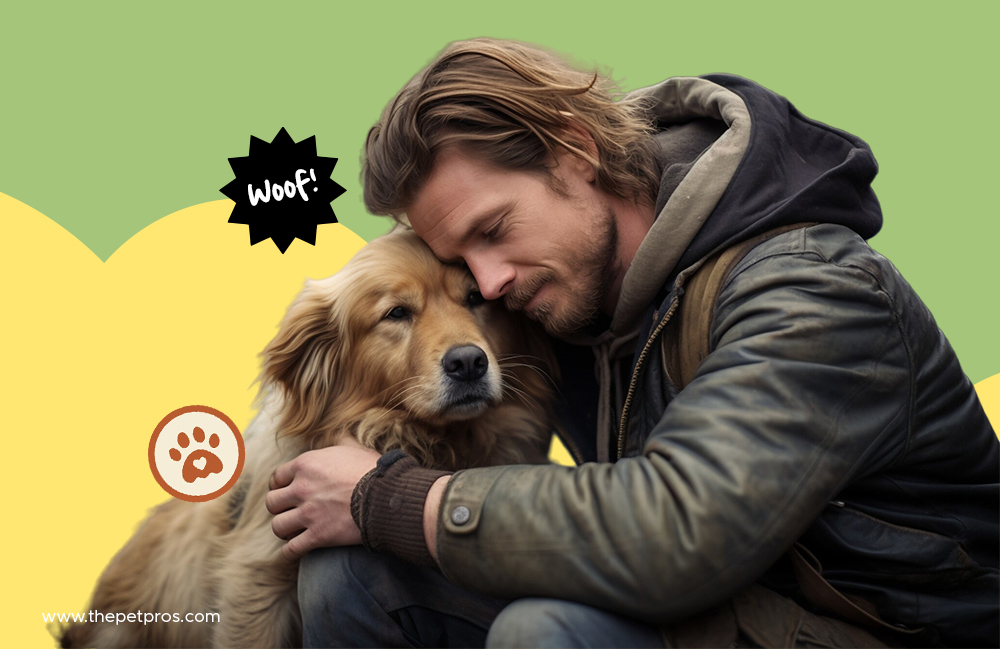
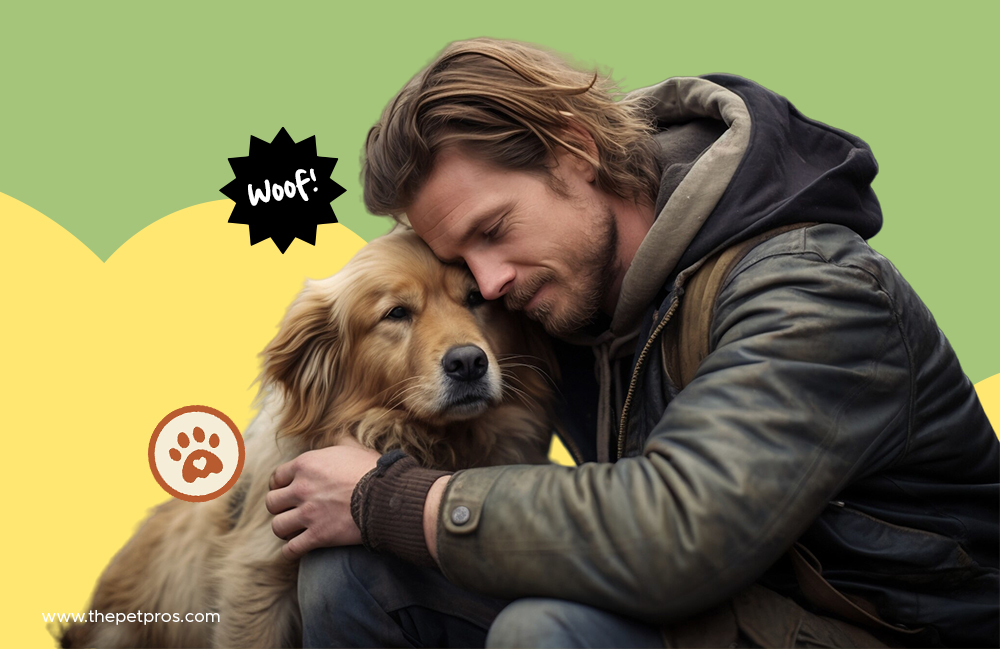
Building a strong bond with your dog is one of the most rewarding aspects of pet ownership. A deep connection not only enhances your pet’s well-being but also enriches your own life. By dedicating time and effort to bond with your dog, you can create a relationship filled with trust, love, and mutual respect.
Here are six easy ways to bond with your dog, ensuring a harmonious and joyful companionship.
1. Spend Quality Time Together
Quality time is the cornerstone of bonding with your dog. Just like any relationship, spending time together helps build trust and understanding. This doesn’t mean you have to be engaged in activities all the time; simply being in each other’s company can be incredibly beneficial. Here are a few ways to ensure you’re spending meaningful time with your furry friend:
Daily Walks
Regular walks are a fantastic way to bond with your dog. Not only do they provide physical exercise, but they also offer mental stimulation as your dog explores new scents and sights. Walking together gives your dog a chance to explore the world under your supervision, fostering a sense of security and companionship.
Playtime
Engage in interactive play sessions with toys like balls, frisbees, or tug ropes. These activities not only provide physical exercise but also strengthen your bond. Dogs naturally enjoy play, and incorporating fun into your daily routine helps to build a positive relationship.
Relaxing Together
Sometimes, the best way to bond is to relax together. Let your dog sit next to you while you read or watch TV with healthy homemade pet treats. Physical closeness reinforces your connection. Many dogs find comfort in simply being near their owners, so sharing quiet moments can be just as important as active play.
2. Training and Obedience
Training your dog is more than just teaching them to obey commands; it’s about communicating and understanding each other. Training sessions are a great opportunity to bond with your dog while teaching them important skills.
Positive Reinforcement
Use treats, praise, and affection to reward your dog for good behavior. This method not only makes training fun but also strengthens your relationship. Positive reinforcement helps your dog associate good behavior with positive outcomes, making them more likely to repeat those behaviors.
Consistency
Be consistent with your commands and rewards. This helps your dog understand what is expected and builds trust. Inconsistency can confuse your dog and make training less effective. Clear and consistent communication is key to successful training.
Short Sessions
Keep training sessions short and fun to maintain your dog’s interest and enthusiasm. Dogs have relatively short attention spans, and lengthy sessions can lead to frustration for both you and your dog. Short, frequent sessions are more effective and enjoyable.
3. Grooming and Care
Grooming your dog is not only essential for their health but also a great way to bond. Regular grooming sessions can be a calming and enjoyable experience for both of you.
Brushing
Brush your dog’s coat regularly to keep it healthy and shiny. This activity also allows you to check for any skin issues or parasites. Regular brushing can be a soothing experience for your dog and provides an opportunity for close, physical contact.
Bathing
Some dogs enjoy baths, while others may be more hesitant. Make bath time a positive experience by using warm water, gentle dog shampoo, and plenty of praise and treats. Patience and gentleness are key to helping your dog feel comfortable during baths.
Health Checks
Regularly check your dog’s ears, teeth, and paws. Not only does this keep them healthy, but it also helps them become comfortable with being handled. Familiarize yourself with the signs of common health issues so you can catch any problems early.
4. Exercise and Outdoor Activities
Engaging in physical activities is crucial for your dog’s health and a wonderful way to bond. Exercise helps to release pent-up energy and reduces stress for both you and your dog.
Hiking
Take your dog on a hike. Exploring new environments together strengthens your bond and provides excellent physical exercise. Choose trails that are suitable for your dog’s fitness level and enjoy the beauty of nature together.
Fetch and Retrieve
Playing fetch in a safe, open area is a great way to exercise your dog and have fun together. This classic game satisfies your dog’s instinct to chase and retrieve while also providing a great workout.
Agility Training
Set up a mini agility course in your backyard. This provides physical exercise and also mentally stimulates your dog. Agility training can be a fun and rewarding way to challenge your dog’s mind and body.
5. Socialization
Socializing your dog with other dogs and people is an important development aspect. It helps them become well-rounded and confident. Socialization also offers opportunities for you to bond with your dog in new settings.
Dog Parks
Visiting dog parks allows your dog to interact with other dogs and burn off energy. It’s also a great place for you to connect with other dog owners. Observe your dog’s interactions and step in if necessary to ensure positive experiences.
Obedience Classes
Enroll in a dog obedience class. These classes provide structured socialization and training, strengthening your bond as you work together to learn new skills. Training in a group setting also helps your dog learn to focus amid distractions.
Playdates
Arrange playdates with other dog owners. This provides a controlled environment for your dog to socialize and for you to bond over shared activities. Playdates can help your dog develop good social manners and build confidence.
6. Understanding Your Dog’s Language
Dogs communicate primarily through body language. Understanding their signals can greatly enhance your bond, as it allows you to respond appropriately to their needs and emotions.
Tail Wagging
A wagging tail can indicate happiness, but the speed and direction of the wag can convey different emotions. A slow wag might mean your dog is feeling cautious, while a fast, wide wag often indicates excitement.
Body Posture
Pay attention to your dog’s body posture. A relaxed body means your dog is comfortable, while a tense body can indicate fear or aggression. Recognizing these signals can help you manage and address your dog’s emotions effectively.
Facial Expressions
Your dog’s eyes, ears, and mouth can tell you a lot about how they’re feeling. For example, wide eyes and pinned-back ears often signal anxiety or discomfort. Learning to read these expressions helps you understand and respond to your dog’s needs.
Conclusion
To truly bond with your dog, focus on spending quality time, engaging in training, providing proper care, enjoying physical activities, socializing, and understanding their body language. Each expert-approved method helps create a deeper connection, fostering a relationship built on trust, love, and mutual respect. By bonding with your dog, you’re investing in a lifelong friendship that will bring joy and companionship to both of your lives. So, take the time to bond with your dog today and enjoy the countless benefits of a strong, loving relationship. Bonding with your dog is not just a task but a journey that brings immense fulfillment and happiness.