
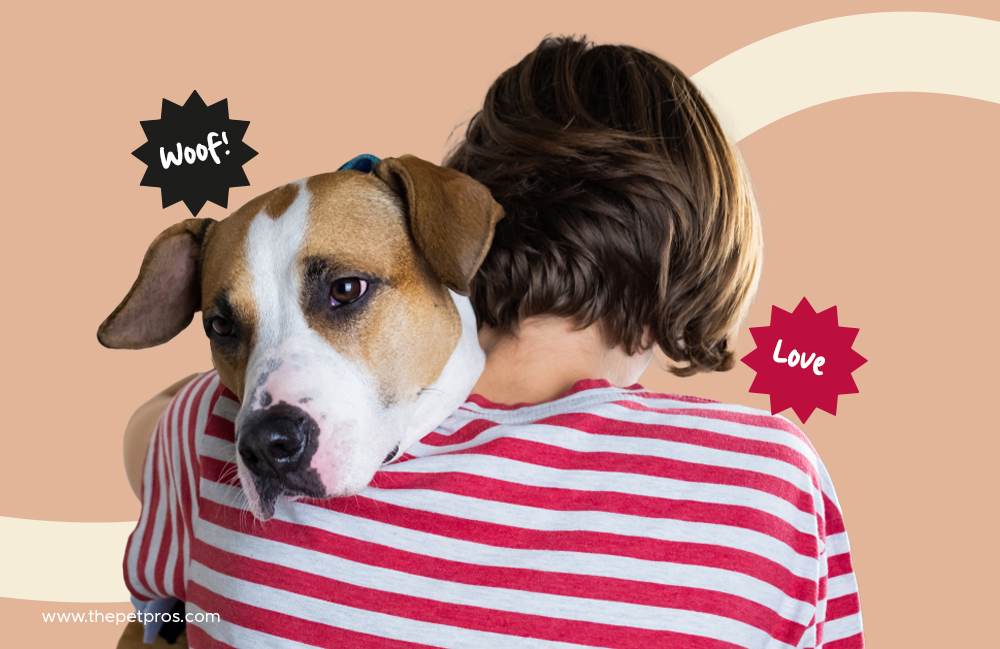
Have you or someone you know been considering a furry companion to help you through a rough patch? Therapy dogs provide unconditional love and companionship, which can alleviate feelings of loneliness and isolation commonly experienced by people with depression. Being able to cuddle a therapy dog can help reduce stress and anxiety levels. Additionally, if you are struggling with getting out of the house, caring for a dog can instill a sense of purpose and routine. Your baby will need you to take them potty and exercise! Lastly, therapy dogs can help you make new friends! Dogs help their owners connect with others and participate in social interactions, which can improve mood and overall well-being.
Before Getting A Therapy Dog For Depression
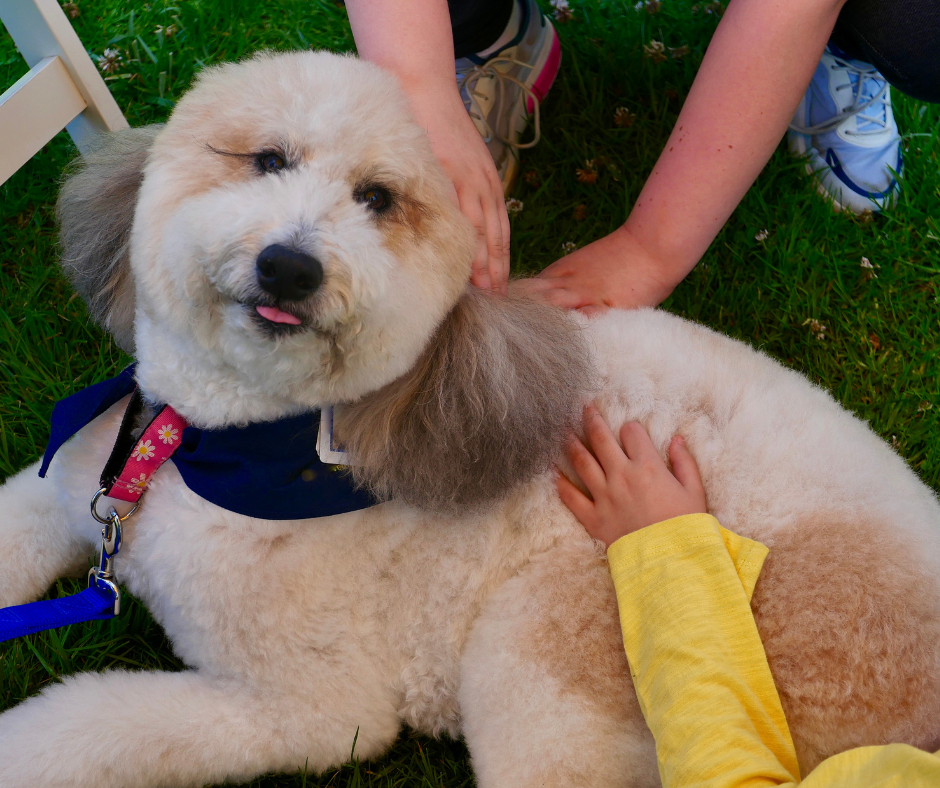
Make sure to make an appointment with a mental health professional to assess your needs and to see if a therapy dog is a good option. Pet Pros can play a pivotal role in helping you choose the right dog for your needs. Would you be happier with a big dog or a small dog? Are you prepared for the physical and financial responsibilities? Are you active or home-bodied? All these are important questions to ask yourself to choose the perfect match! Don’t worry if you don’t know where to start, Pet Pros’ expert staff can guide you through the selection process, matching you with an ideal animal companion based on your lifestyle, preferences, and emotional needs.
Here are a few things to consider:
- Write down your budget, time availability, emotional needs, and have realistic expectations about how your therapy dog can help with your depression. Pets come with regular and spontaneous bills. You have to allot money in your financial budget for food and grooming supplies; in addition to money for emergency vet bills.
- Reflect on your personal energy levels and time availability. Your therapy dog will always be with you, so consider if you are an active person who wants an active dog too! Or if a couch potato may be a better fit.
- A therapy dog is not a cure-all for depression, but they can bring a huge smile to your face and change your life for the better. Pet Pros is committed to responsible buying practices to ensure you find the right dog for your needs. Better yet, Pet Pros offers resources and support for pet owners, including training and behavioral advice, to ensure a successful bond between you and your canine companion.
How To Get A Therapy Dog
- Begin by consulting with a mental health professional: A therapist or psychiatrist can assess your situation, determine if a therapy dog for depression would be beneficial for you, and provide dog breed recommendations.
- Research and choose a therapy dog organization: Look for reputable therapy dog training organizations or agencies in your area. These organizations train and certify therapy dogs to ensure your dog is a suitable companion based on your needs and preferences.
- Get ready to attend training, complete paperwork, and practice therapy dog activities: Training can include information on how to interact with therapy dogs, basic dog care and handling, and the responsibilities of owning a therapy dog. It’s best to practice therapy dog activities in pet-friendly public places like coffee shops or outdoor restaurants. Not only will this be good practice for your therapy dog, but it can help with depression by providing structure and excitement!
In the video, you’ll learn that the ADA makes a distinction between psychiatric service animals and emotional support animals. To get a service dog you can contact a service dog organization or an individual may train their own service dog. Make sure to do your research and find out which type of service dog is the best fit for you and your mental health needs.
The Best Therapy Dog Breeds for Depression

- Labrador Retriever: Labradors are fun dogs that are known for their friendly and outgoing personality! Labrador Retrievers are often used as therapy dogs due to their gentle demeanor and intelligence. They are quick learners and people pleasers!
- Golden Retriever: Hollywood’s favorite! Golden Retrievers are friendly, patient, and eager to please, making them excellent therapy dogs for individuals struggling with depression.
- Shih Tzus: Outside of being super cute and fluffy! Shih Tzus are excellent companions for first-time dog owners. While their luxurious coats require regular grooming to prevent matting, Shih Tzus are relatively low energy and adapt well to apartment living. Their playful nature and affectionate demeanor make them beloved family pets.
- Poodle: Poodles are highly trainable and versatile, with a hypoallergenic coat that suits individuals with allergies. They are often used as therapy dogs due to their intelligence and calm disposition.
- Beagle: Beagles are known for their long ears, loving nature and outgoing personality. They make excellent companions for individuals seeking emotional support and someone to go on adventures with!
- Havanese: Many might not know that the Havanese is Cuba’s national dog. Globally loved for their appearance and affectionate personality, these cuties are sure to bring warmth and love to owners with depression.
Find Your Therapy Dog with Us!
Now that you have thought about what your ideal dog is, how a therapy dog can help with depression, and looked into different breeds, it’s time to choose your furry companion! This is a huge step, as your dog will be with you for about a decade.
Having a therapy dog has a multitude of benefits to help remedy some depression symptoms. For example, dogs alleviate feelings of loneliness and isolation. The daily routine and responsibility of caring for a dog can provide structure to your life and ensure you get some sunlight! Additionally, the need for regular exercise encourages physical activity, known to improve mood and reduce stress. Interacting with a dog triggers the release of feel-good hormones, promoting relaxation and stress reduction. Dogs also encourage mindfulness by living in the present moment, helping individuals focus on positive experiences rather than dwelling on negative thoughts.
Getting a therapy dog is monumental to improving your mental health through socialization and engagement. Owning a dog facilitates social interaction, fostering connections with other dog owners and neighbors. Dogs intuitively provide emotional support, offering comfort during hard times. Their nonjudgmental presence allows individuals to freely express their emotions without fear of criticism. Ultimately, the bond between a person and their dog can significantly enhance emotional well-being, providing companionship, support, and joy in managing depression. By partnering with Pet Pros, you can embark on a journey toward emotional well-being with a loving and supportive furry friend by your side.