
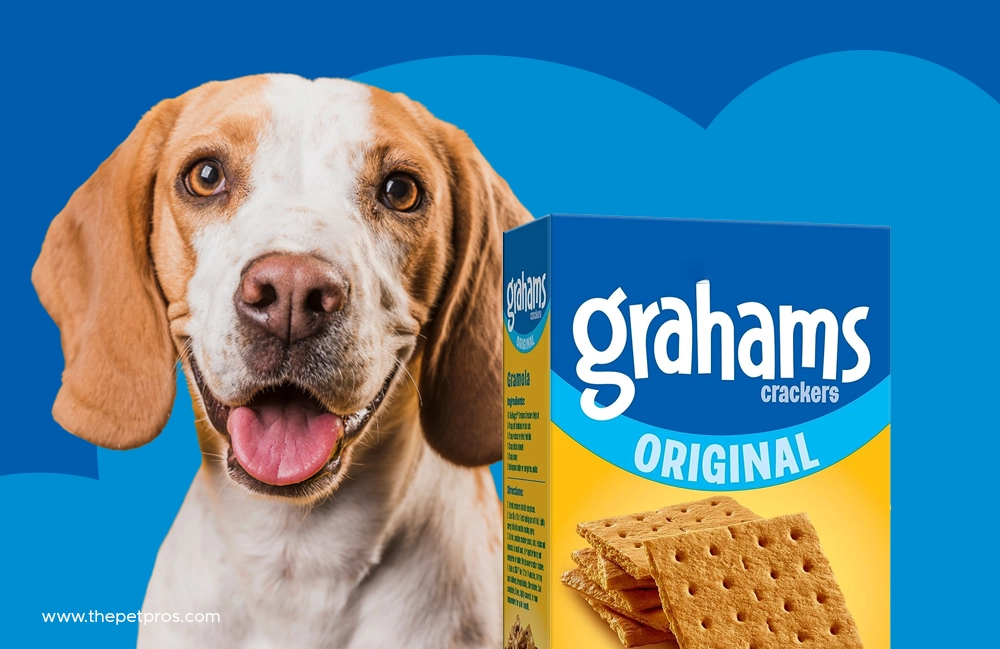
When it comes to sharing snacks with our furry friends, it’s important to consider what’s safe and healthy for them. Graham crackers, with their sweet taste and crunchy texture, might seem like a harmless treat for dogs. But can dogs eat graham crackers? In this blog, we’ll explore the health risks associated with feeding graham crackers to dogs and provide some tasty and healthy alternatives.
The Temptation of Graham Crackers
Graham crackers have been a favorite snack for humans for generations. Whether enjoyed plain, dipped in milk, or used as a base for delicious s’mores, they are versatile and tasty. Naturally, when we snack on something we love, we might be tempted to share it with our pet companions. However, just because something is safe for humans doesn’t mean it’s safe for dogs.
Can Dogs Eat Graham Crackers? Health Risks and Alternatives
Ingredients and Their Impact on Dogs
The primary ingredients in graham crackers include whole wheat flour, sugar, honey, and sometimes cinnamon. While these ingredients are generally safe for humans, they can pose certain risks to dogs.
- Sugar: Dogs do not require sugar in their diet. Excessive sugar intake can lead to obesity, dental issues, and even diabetes. Graham crackers contain a significant amount of sugar, which can contribute to these health problems if given frequently.
- Honey: While honey is a natural sweetener, it still contains sugar. Small amounts of honey are generally safe for dogs, but it should be given in moderation.
- Cinnamon: Cinnamon is not toxic to dogs and can be beneficial in small amounts, but too much cinnamon can cause gastrointestinal upset and other issues.
- Whole Wheat Flour: Dogs can have wheat, but some may have allergies or sensitivities. It’s essential to monitor your dog for any adverse reactions after consuming wheat-based products.
Health Risks of Graham Crackers for Dogs
Feeding graham crackers to dogs on occasion may not cause immediate harm, but regular consumption can lead to several health risks:
- Obesity: Graham crackers are high in calories and sugar, which can contribute to weight gain in dogs. Obesity can lead to various health problems, including joint issues, heart disease, and reduced lifespan. Maintaining a healthy weight is crucial for your dog’s overall well-being and longevity. An overweight dog is more likely to suffer from arthritis and other joint problems, as the extra weight puts unnecessary strain on their bones and joints.
- Dental Problems: The sugar content in graham crackers can contribute to plaque buildup and tooth decay in dogs. Maintaining good dental hygiene is crucial for your dog’s overall health. Dental problems can lead to more severe issues, such as infections that can spread to other parts of the body, including the heart. Regularly brushing your dog’s teeth and providing dental chews can help mitigate these risks, but it’s best to avoid sugary treats altogether.
- Diabetes: Consistent consumption of sugary treats can increase the risk of diabetes in dogs. This condition requires lifelong management and can significantly impact your dog’s quality of life. Diabetes in dogs is a serious condition that can lead to symptoms such as excessive thirst, frequent urination, weight loss, and lethargy. Managing diabetes involves regular insulin injections, a strict diet, and constant monitoring, which can be challenging for both the dog and the owner.
- Gastrointestinal Issues: Some dogs may experience digestive upset, such as diarrhea or vomiting, after consuming graham crackers. This can be due to the sugar, wheat, or other ingredients. Gastrointestinal issues can be particularly problematic for dogs with sensitive stomachs or pre-existing digestive conditions. Chronic digestive problems can lead to nutrient deficiencies and other health complications over time.
Safe and Healthy Alternatives
While graham crackers may not be the best choice for dogs, there are plenty of safe and healthy alternatives that your furry friend will love. Here are some dog-friendly treats you can offer instead:
- Fresh Fruits and Vegetables: Many fruits and vegetables are safe and healthy for dogs. Try offering small pieces of apple (without seeds), carrot sticks, blueberries, or green beans. These snacks are low in calories and provide essential vitamins and minerals. Apples, for example, are high in fiber and vitamins A and C, while carrots are excellent for dental health and provide beta-carotene, which is beneficial for vision.
- Dog Biscuits: Look for dog biscuits made with natural ingredients and without added sugars. There are many options available that cater to various dietary needs, including grain-free and hypoallergenic treats. Brands that focus on high-quality, organic ingredients can provide tasty and nutritious options for your dog. Always read the labels to ensure that the treats do not contain harmful additives or preservatives.
- Homemade Dog Treats: Making your own dog treats allows you to control the ingredients and ensure they are healthy for your pet. You can find numerous recipes online that use dog-safe ingredients like peanut butter, pumpkin, and oats. Homemade treats can be customized to your dog’s specific dietary needs and preferences. For example, a simple recipe might include ingredients like mashed sweet potatoes, which are rich in fiber and vitamins, mixed with a bit of peanut butter and rolled oats.
- Plain Rice Cakes: Unsalted, plain rice cakes can be a crunchy and low-calorie alternative to graham crackers. Just be sure to break them into small pieces to prevent choking. Rice cakes are generally low in fat and calories, making them a suitable treat for dogs who need to watch their weight. However, ensure that the rice cakes do not contain any added flavors or seasonings that could be harmful to dogs.
- Frozen Treats: During hot weather, you can make frozen treats for your dog using plain yogurt or blended fruits. Pour the mixture into ice cube trays and freeze for a refreshing and healthy snack. Frozen treats can help keep your dog cool and hydrated, especially during the summer months. You can experiment with different combinations of fruits and vegetables to create a variety of flavors that your dog will enjoy. For example, blending plain yogurt, a banana, and a few strawberries can make a delicious and nutritious frozen treat.
Moderation is Key
If you decide to give your dog a small piece of graham cracker as an occasional treat, moderation is key. Ensure that it is only a tiny portion of their overall diet and not a regular occurrence. Always observe your dog for any adverse reactions and consult your veterinarian if you have any concerns about their diet. Even with healthy treats, it’s important not to overfeed your dog. Treats should only make up a small portion of your dog’s daily caloric intake to prevent weight gain and other health issues.
Conclusion
You have finally found the answer to can dogs eat graham crackers. While dogs can eat graham crackers in very small amounts, they are not the healthiest option for your furry friend. The high sugar content and potential for weight gain and dental problems make them a less-than-ideal treat. Instead, opt for healthier alternatives like fresh fruits, vegetables, and dog-specific treats to keep your dog happy and healthy. Remember, your dog’s health and well-being are in your hands, and choosing the right treats is a vital part of responsible pet ownership.
By being mindful of what you feed your dog and opting for nutritious alternatives, you can ensure that your furry friend enjoys a long, healthy, and happy life. Providing a balanced diet, regular exercise, and plenty of love and attention will contribute to your dog’s overall well-being. Always consult with your veterinarian before introducing new foods into your dog’s diet to ensure they are safe and appropriate for your pet’s specific needs.
For more pet information-subscribe to our pet pros blog!