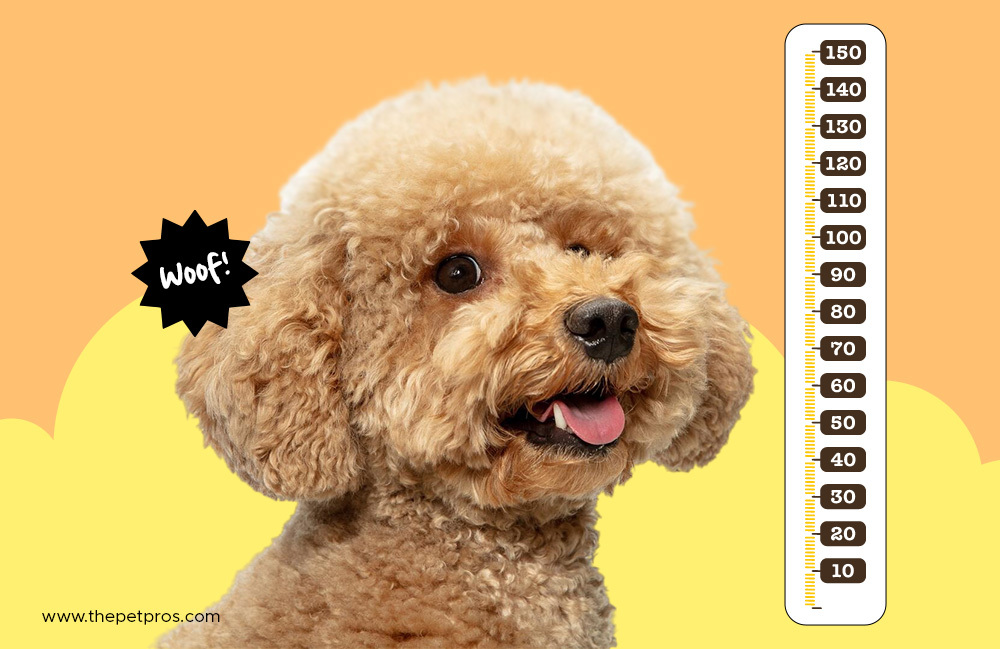
When considering a Maltipoo as a potential pet, one of the most common questions prospective owners ask is, “How big does a Maltipoo get?” This inquiry is essential because understanding a dog’s size can significantly impact various aspects of pet ownership, from space requirements to exercise needs and grooming routines.
In this comprehensive guide, we will explore the factors influencing Maltipoo size, provide insights into its growth patterns, and offer practical advice for future owners.
Understanding Maltipoo Size
Maltipoos, a delightful hybrid breed resulting from crossing a Maltese with a Poodle, have gained immense popularity due to their charming personalities and hypoallergenic coats. However, because they are a mixed breed, their size can vary widely.
The primary factor influencing the size of a Maltipoo is the size of the Poodle parent. Poodles come in three sizes: Toy, Miniature, and Standard, but Maltipoos are typically bred from Toy or Miniature Poodles, resulting in small to medium-sized dogs.
Factors Influencing Maltipoo Size
- Genetics: The size of a Maltipoo heavily depends on the genetic contribution of its parents. A Toy Poodle parent will generally produce smaller Maltipoos, while a Miniature Poodle parent can result in slightly larger offspring. The Maltese parent, which typically weighs between 4 to 7 pounds, also plays a role in determining the final size.
- Generation: Whether a Maltipoo is a first-generation (F1) cross or a subsequent generation (F1b, F2, etc.) can impact size. First-generation crosses tend to have more variability in size, while later generations, bred from two Maltipoos, might have more predictable sizes.
- Nutrition and Health: Proper nutrition during the puppy stage is critical for healthy growth. Overfeeding or underfeeding can lead to growth issues, potentially affecting the adult size of a Maltipoo. Regular veterinary check-ups ensure that health problems do not impede growth.
Growth Stages of a Maltipoo
To understand how big does a Maltipoo get it is essential to look at their growth stages. Like all dogs, Maltipoos go through distinct phases of development from birth to adulthood.
- Neonatal Stage (0-2 weeks): During this period, Maltipoo puppies are entirely dependent on their mother. They are tiny, weighing just a few ounces, and their growth is rapid but primarily focused on survival and basic development.
- Transitional Stage (2-4 weeks): Puppies begin to open their eyes and ears, and their weight doubles. However, they are still quite small, typically weighing around 1 to 2 pounds.
- Socialization Stage (4-12 weeks): This is a critical growth phase where puppies start to explore their environment and develop social skills. By the end of this stage, a Maltipoo puppy may weigh between 2 to 4 pounds.
- Juvenile Stage (3-6 months): Significant growth occurs during this period. Maltipoos continue to gain weight and height, though their growth rate starts to slow down. By six months, a Maltipoo might weigh between 4 to 7 pounds.
- Adolescent Stage (6-12 months): Growth continues but at a reduced pace. Most Maltipoos reach their full height by 8 to 10 months, but they may continue to fill out and gain muscle until they are about a year old. At this stage, a Maltipoo typically weighs between 5 to 10 pounds.
- Adulthood (1 year and beyond): By their first birthday, Maltipoos have usually reached their full size. Adult Maltipoos generally weigh between 5 to 15 pounds and stand about 8 to 14 inches tall at the shoulder. The final size depends on the genetic factors discussed earlier.
Practical Implications of Maltipoo Size
Understanding “How big does a Maltipoo get?” is crucial for several practical reasons:
- Living Space: Smaller Maltipoos are well-suited for apartment living, while larger ones might need a bit more space to move around comfortably.
- Exercise Needs: While all Maltipoos need regular exercise, smaller ones may get their energy out with indoor play, whereas larger ones might benefit from more extended outdoor activities.
- Grooming: Regardless of size, Maltipoos require regular grooming due to their Poodle-like coats. However, larger Maltipoos will have more fur, potentially increasing grooming time and costs.
- Feeding: The size of your Maltipoo will affect its dietary needs. Smaller Maltipoos will eat less food than larger ones, impacting your monthly pet care budget.
- Health Considerations: Smaller dogs, including Maltipoos, can be prone to specific health issues like dental problems and patellar luxation. Regular veterinary care is essential to monitor and maintain their health.
Detailed Size Comparison with Other Small Breeds
To put Maltipoo size into perspective, comparing them with other popular small breeds can be helpful:
- Maltese: The Maltese, one of the parent breeds, typically weighs between 4 to 7 pounds and stands about 8 to 10 inches tall. Maltipoos can be slightly larger, especially if the Poodle parent is a Miniature rather than a Toy.
- Toy Poodle: Toy Poodles weigh about 4 to 6 pounds and stand up to 10 inches tall. Maltipoos with Toy Poodle lineage often fall within this size range, though they may be slightly heavier due to the Maltese genetics.
- Miniature Poodle: Miniature Poodles weigh between 10 to 15 pounds and stand 10 to 15 inches tall. Maltipoos bred from Miniature Poodles are generally larger than those from Toy Poodles, aligning more with the size of the Miniature parent.
- Yorkshire Terrier: Yorkies weigh around 4 to 7 pounds and stand about 7 to 8 inches tall. Maltipoos are typically larger than Yorkies, especially those with Miniature Poodle ancestry.
- Shih Poo: Shih Poo weigh between 9 to 16 pounds and stand about 9 to 10.5 inches tall. Maltipoos, particularly those on the larger end, can be similar in size to Shih Poo.
Preparing for Your Maltipoo’s Size
Preparing for the size of your Maltipoo involves several practical steps:
- Space Arrangement: Whether you live in an apartment or a house, ensure you have a designated space for your Maltipoo to eat, sleep, and play. Smaller Maltipoos may need less space, but all dogs appreciate a comfortable and secure environment.
- Exercise Routines: Tailor your exercise routines to match your Maltipoo’s size and energy levels. Smaller Maltipoos might enjoy short, frequent walks and indoor play, while larger ones could benefit from longer walks and more vigorous outdoor activities.
- Diet Management: Choose high-quality dog food appropriate for your Maltipoo’s size and age. Smaller Maltipoos have different dietary needs compared to larger ones, so consult your vet to determine the best feeding plan.
- Grooming Supplies: Invest in grooming supplies suited for your Maltipoo’s size and coat type. Regular brushing, nail trimming, and ear cleaning are essential, regardless of size, to maintain their health and appearance.
Conclusion
In conclusion, when asking, “How big does a Maltipoo get?” it’s important to consider the various factors that influence their size, including genetics, generation, and overall health. Maltipoos typically weigh between 5 to 15 pounds and stand 8 to 14 inches tall, making them a versatile breed suitable for various living situations.
Whether you’re looking for a small lap dog or a slightly larger companion, understanding Maltipoo size will help you prepare for a happy and healthy life with your new furry friend. By knowing what to expect in terms of growth and size, you can provide the best care for your Maltipoo throughout its life.