

Did you give in to the “I’m going to get another dog to keep my dog company” memes? Bringing a new puppy into a household with a dominant dog can be both exciting and challenging. While you might think territorial behaviors will resolve on their own, introducing a puppy to a dominant dog requires careful planning and strategies to ensure a smooth transition and a friendly relationship between the two.
Whether you’re bringing home a new furry family member or fostering a puppy, here are a few essential tips to help you navigate this process successfully.
Key Takeaways
- Introducing a puppy to a dominant dog can be challenging but also a rewarding experience with the right approach and mindset.
- Dominance doesn’t always mean your dog is aggressive.
- Keep interactions short and positive, gradually increasing the duration as both dogs become more comfortable with each other.
Why Is My Dog Showing Dominance?
Before diving into the tips and strategies, it’s crucial to understand dominance in dogs. Dominance doesn’t always equate to aggression; rather, it’s about leadership and control within the household. Here are a few ways dominant dogs may display assertive behaviors:
- Guarding their food, toys, treats or other objects
- Refusing to get off the couch or other furniture
- Wanting all the owner or guests’ attention
- Attempting to control other dogs’ movements
Recognizing and addressing these behaviors is key to fostering a healthy dynamic between your dominant dog and the new puppy.
7 Tips & Strategies to Successfully Introduce a New Puppy to a Dominant Dog

1. Gradual Introductions
When introducing a puppy to a dominant dog, take things slow. Start by allowing them to sniff each other’s scent through a closed door or baby gate. This helps both dogs become familiar with each other’s presence without direct contact. Gradually, you can move on to supervised interactions in a neutral territory, such as a park or backyard, where neither dog feels the need to assert dominance over their home turf.
2. Supervise Interactions
During the initial interactions between your dominant dog and the new puppy, close supervision is essential. Watch for signs of aggression or tension, and be prepared to intervene if necessary. Keep interactions short and positive, gradually increasing the duration as both dogs become more comfortable with each other. Also, keeping the leashes loose will allow for a natural dog greeting; if the dog is pulling the leash, he’s showing signs of dominance.
3. Maintain Separate Spaces
While it’s important for your dogs to interact and bond, they also need their own space to retreat to when they need a break. Provide separate sleeping areas, food bowls, and toys to prevent guarding and reduce potential conflicts. This allows each dog to feel secure in their own territory without feeling threatened by the other.
4. Encourage Positive Associations with Rewards
To help foster a positive relationship between your dominant dog and the puppy, use positive reinforcement techniques. Reward good behavior, such as calm interactions and sharing toys, with treats and praise. This helps both dogs associate each other’s presence with positive experiences, building trust and companionship over time.
5. Training and Socialization
Invest time in training both your dominant dog and the puppy to obey basic commands and respond to your cues. This not only reinforces your leadership role but also helps establish boundaries and expectations for both dogs. Additionally, expose the puppy to various social situations, such as meeting new people and dogs, to help them develop confidence and adaptability. Checking out dog-friendly restaurants, parks, beaches and other social environments is also helpful.
6. Be Patient and Consistent
Introducing a puppy to a dominant dog is a process that requires patience, consistency, and understanding. It’s natural for there to be some initial tension and adjustment period as both dogs navigate their new dynamic. Stay calm, collected, and continue to reinforce positive behaviors to facilitate a smooth transition.
7. Seek Professional Help if Needed
If you encounter persistent challenges or signs of aggression during the introduction process, don’t hesitate to seek guidance from a professional dog trainer or behaviorist. They can provide personalized advice and strategies to address specific issues and ensure the safety and well-being of both dogs. Also, they can help you understand the root of the problem so you are educated on why they are acting the way they do.
It’s Time to Introduce Your Dog to the New Puppy
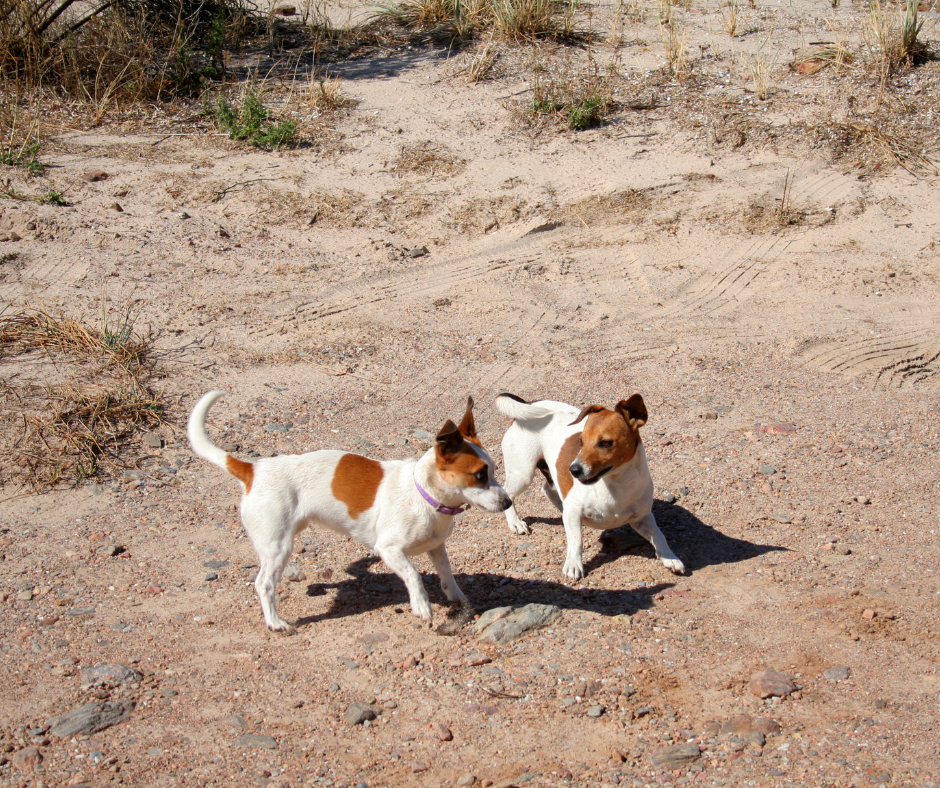
Introducing a puppy to a dominant dog can be a rewarding experience with the right approach and mindset. As tempting as it may be to give in to the “I’m going to get another dog to keep my dog company” memes, it’s essential to approach this decision with careful consideration and planning.
While the process may pose its challenges, the rewards of fostering a friendly relationship between your furry companions are immeasurable. By following the essential tips outlined here—understanding dominance in dogs, facilitating gradual introductions, supervising interactions, maintaining separate spaces, encouraging positive associations, prioritizing training and socialization, and seeking professional help when needed—you can navigate this journey successfully.
Remember, building a bond between your dominant dog and the new puppy takes time and effort, but with dedication and love, you can create a supportive and enriching environment where both dogs thrive. Here’s to many happy adventures ahead for you and your furry family!
Ready to introduce a new puppy to your family? Contact Pet Pros today! We are passionate matchmakers, connecting loving homes with furry friends.
FAQs: Introducing a New Puppy to a Dominant Dog
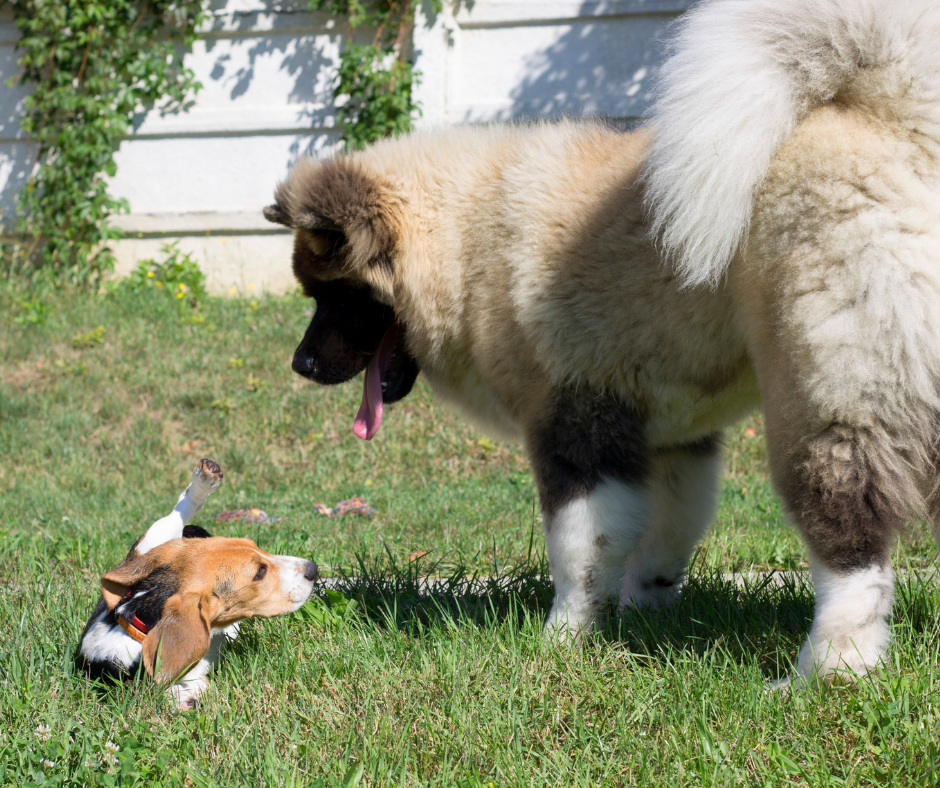
How do I know if my existing dog is ready to meet a new puppy?
Signs that your dog might be ready include displaying curiosity or excitement when encountering other dogs, being well-socialized and friendly with dogs of different ages and sizes, and exhibiting a relaxed demeanor in new environments. However, every dog is unique, so it’s essential to consider your dog’s temperament and previous experiences with other dogs before introducing a new puppy.
How long does it take for a dog to get used to a new puppy?
The time it takes for a dog to get used to a new puppy varies depending on individual personalities, past experiences, and the quality of the introduction process. Some dogs may adjust quickly and form a bond with the puppy within a few days, while others may take weeks or even months to fully adjust. Patience, consistency, and positive reinforcement are key during this transition period.
What are some signs that the introduction is going well?
Several signs include relaxed body language, such as wagging tails, loose posture, and soft eyes, playful interactions, mutual curiosity and sniffing. Additionally, both dogs may show signs of comfort and enjoyment in each other’s presence, such as lying down together or engaging in gentle play.
Do adult dogs know a puppy is a puppy?
Yes, adult dogs can typically recognize puppies as such based on their size, behavior, and scent. Puppies often exhibit distinct behaviors and vocalizations that signal their youthfulness and immaturity, such as playful antics, high-pitched barking, and clumsy movements. Adult dogs may respond to puppies differently than they would to older dogs, displaying patience, tolerance, and even a nurturing instinct toward the younger canine. However, it’s essential to monitor their interactions to ensure that they remain positive and safe for both dogs involved.