Appearance
Size
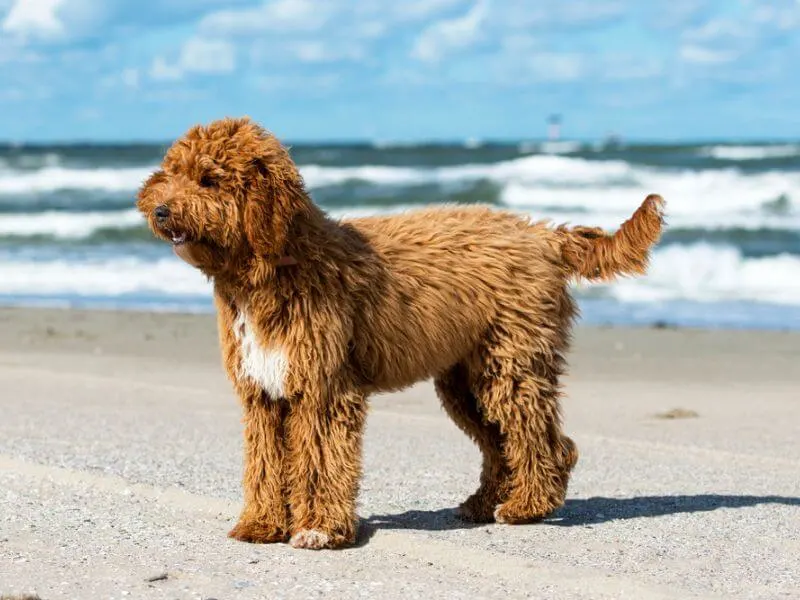
Mini Irish Doodles typically fall within the small to medium range, with adults ranging from 20 to 35 pounds and a height of 12 to 17 inches.
Coat Type and Colors
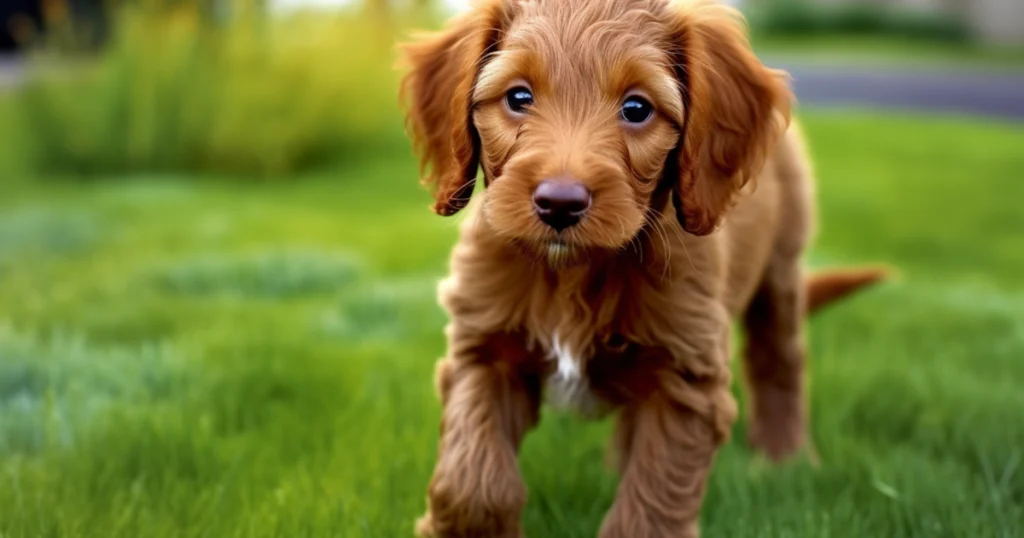
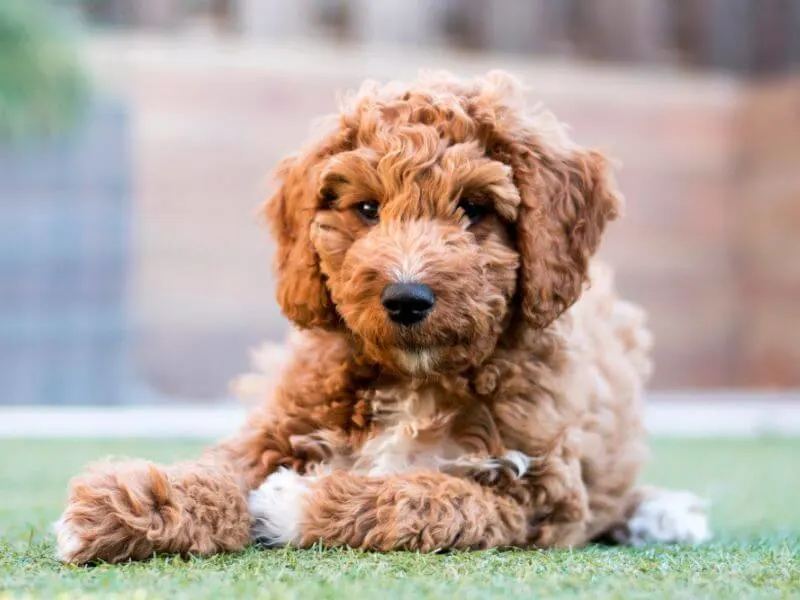
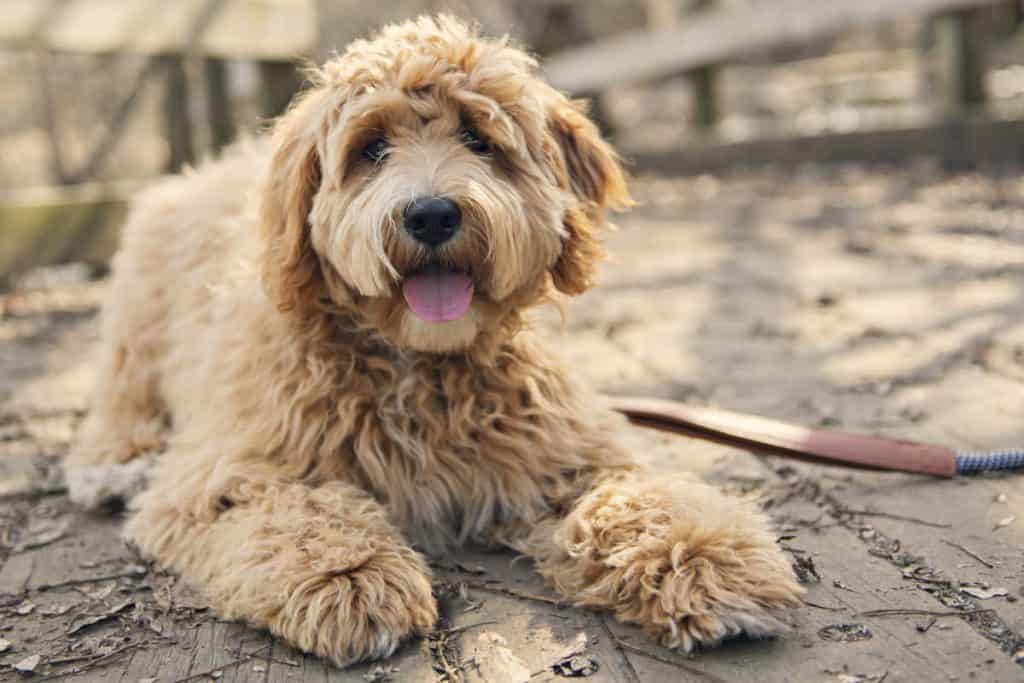
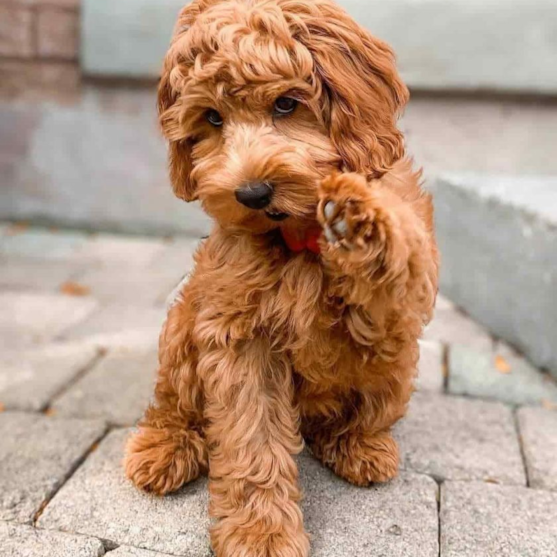
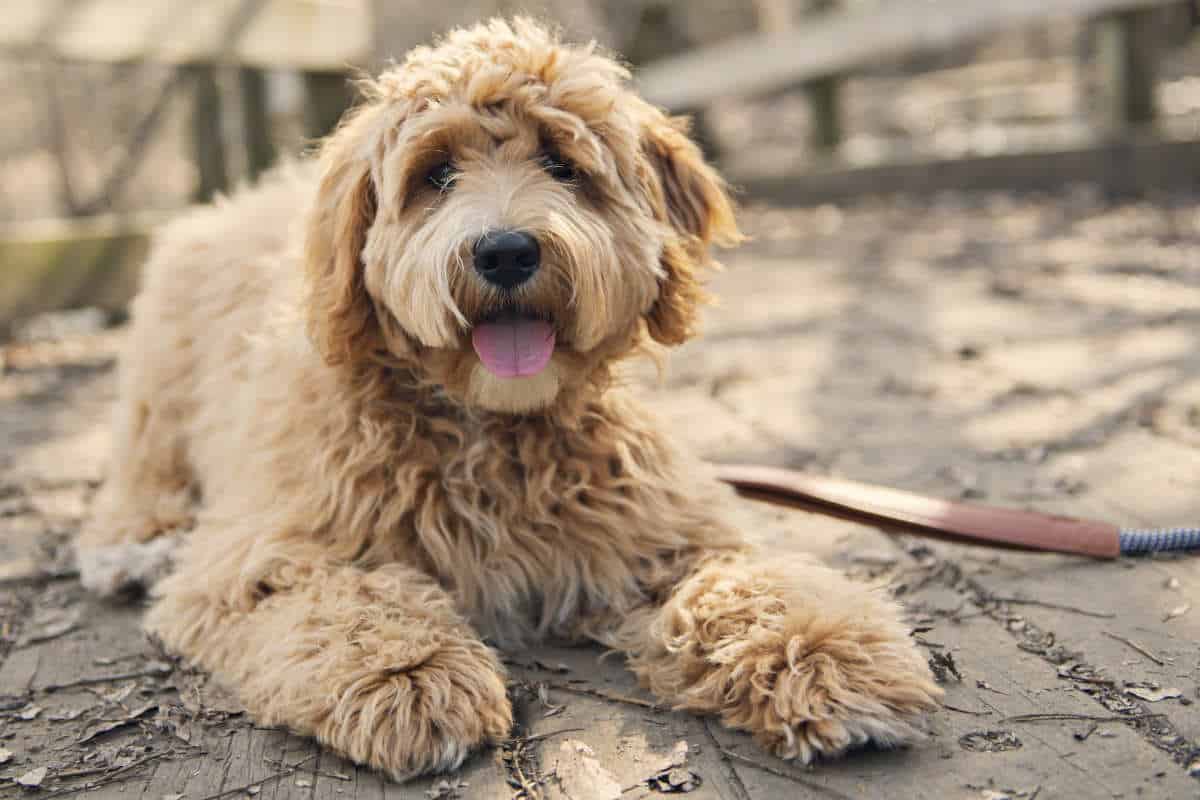
They have a stunning, lavish coat inherited from both parent breeds, coming in various colors like white, black, red, apricot, cream, intense brown, chestnut, gray, and chocolate. The coat texture ranges from shaggy to wavy or curly.
Distinctive Physical Characteristics
Mini Irish Doodles have enchanting dark eyes, hanging ears, a medium-length muzzle, and a fluffy tail gracefully curled towards the back.
Temperament
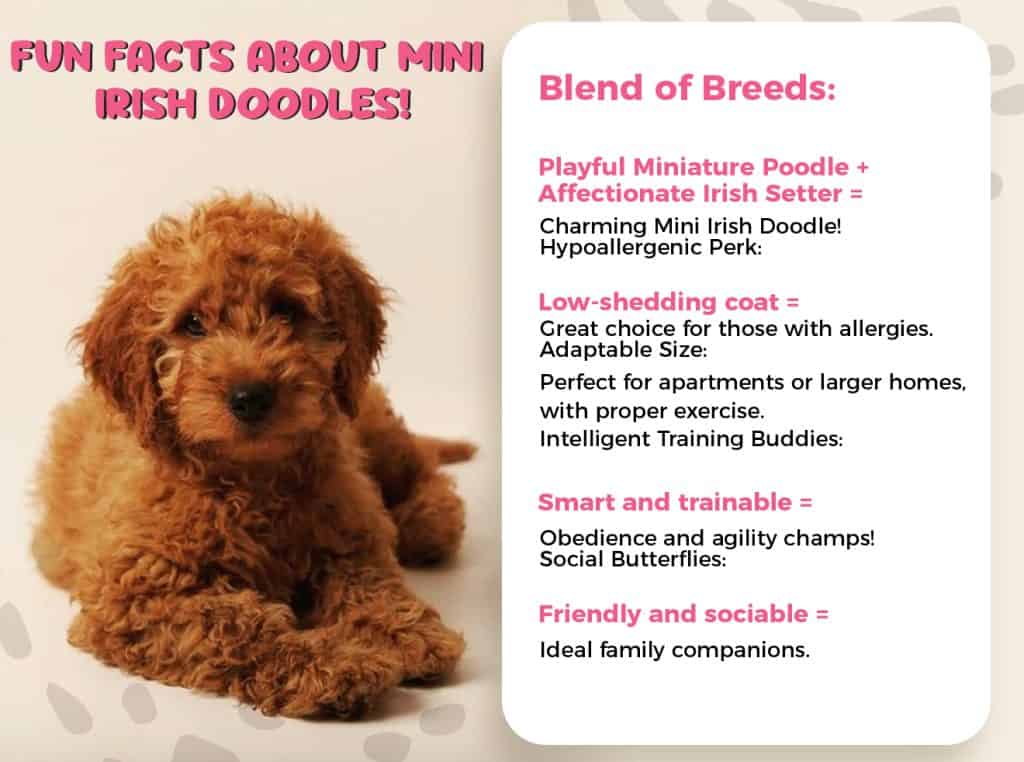
These dogs are known for their friendly and sweet-natured disposition. They get along well with children, other dogs, household pets, and even cats.
Behavioral Traits
Mini Irish Doodles are highly intelligent and easily trainable, making them suitable for novice owners. They exhibit high energy levels and typically require up to an hour of daily exercise.
Compatibility with Families
Good with Kids?
Mini Irish Doodle puppies make fantastic pets for families with children due to their sweet and loving nature.
Good with Other Pets?
They generally get along well with other animals, including dogs and cats. However, caution is advised with bird pets due to their inherent prey drive.
Social and Behavioral Tendencies
Social Needs
Mini Irish Doodles are social dogs and may develop separation anxiety if left alone for extended periods. Early training is crucial to prevent undesirable behaviors.
Tendency to Bark or Howl
While generally amicable, socialization training is recommended to manage barking tendencies.
Intelligence and Trainability
Learning and Obedience
Mini Irish Doodles exhibit remarkable intelligence inherited from both parent breeds, making training a joyful experience rooted in affection.
Training Methods
Positive reinforcement, using treats and praise, is effective in fostering quick learning. Training should incorporate enjoyable games alongside lessons.
Ease of Housebreaking
Their intelligence and eagerness to please make housebreaking relatively easy.
Exercise Needs
Daily Exercise Requirements
They require an average of 40 to 60 minutes of exercise each day, enjoying activities like walking, hiking, swimming, and playdates at the dog park.
Suitable Activities
Indoor games and daily walks prove effective in meeting their exercise needs. Mental stimulation, such as puzzle games and agility training, is also crucial.
Grooming Requirements
Frequency of Grooming
Regular grooming is necessary due to their minimally shedding coat. Brushing every other day and bathing every few months is recommended.
Specific Grooming Tips
Use a bristle brush for coat maintenance, and clean their ears weekly to prevent infections.
Shedding
They shed minimally, and the coat should be maintained to prevent knots and tangles.
Diet and Nutrition
Dietary Needs
A nourishing diet, incorporating daily exercise, is essential for their overall health and well-being.
Recommended Feeding Schedule
Follow a regular feeding schedule with high-quality dog food.
Special Dietary Considerations
No specific dietary considerations, but attention to overall nutrition is crucial.
Health and Care
Common Health Issues
Mini Irish Doodles may experience mild and non-life-threatening issues, including patellar luxation, hip dysplasia, cataracts, food allergies, skin allergies, hypothyroidism, progressive retinal atrophy, and, rarely, epilepsy.
Vaccination and Regular Health Checkups
Regular vet checkups and vaccinations are essential for maintaining their health.
Lifespan
Their average lifespan ranges from 12 to 15 years with proper care.
Living Conditions
Ideal Living Environment
Adaptable to various living environments, they thrive in a loving and secure environment. Suitable for both apartments and houses with or without yards.
Adaptability to Weather Conditions
Adaptable to different weather conditions, but precautions should be taken in extreme temperatures.
Special Needs
Any Special Care or Considerations
No specific special needs, but attention to socialization and preventive healthcare is crucial.
Cost of Ownership
Initial Purchase Price
Costs vary, but acquiring from a reputable breeder may involve a higher initial purchase price.
Ongoing Costs
Include food, vet care, grooming, and other miscellaneous expenses.
Breed-Specific Tips and Advice
Training Challenges and Tips
Focus on positive reinforcement and early socialization. Avoid prolonged periods of solitude.
Tips for First-Time Owners
Ideal for first-time owners due to their intelligence and amiability.
Where to Buy/Adopt
Advice on Finding a Reputable Breeder or Rescue
Research and choose reputable breeders or rescue organizations.
What to Look for in a Breeder or Rescue
Check for health clearances, breeding practices, and a caring environment.
Questions to Ask When Buying or Adopting
Inquire about health history, socialization, and the breeder’s practices.