


Your Instant Love Story Begins Here!

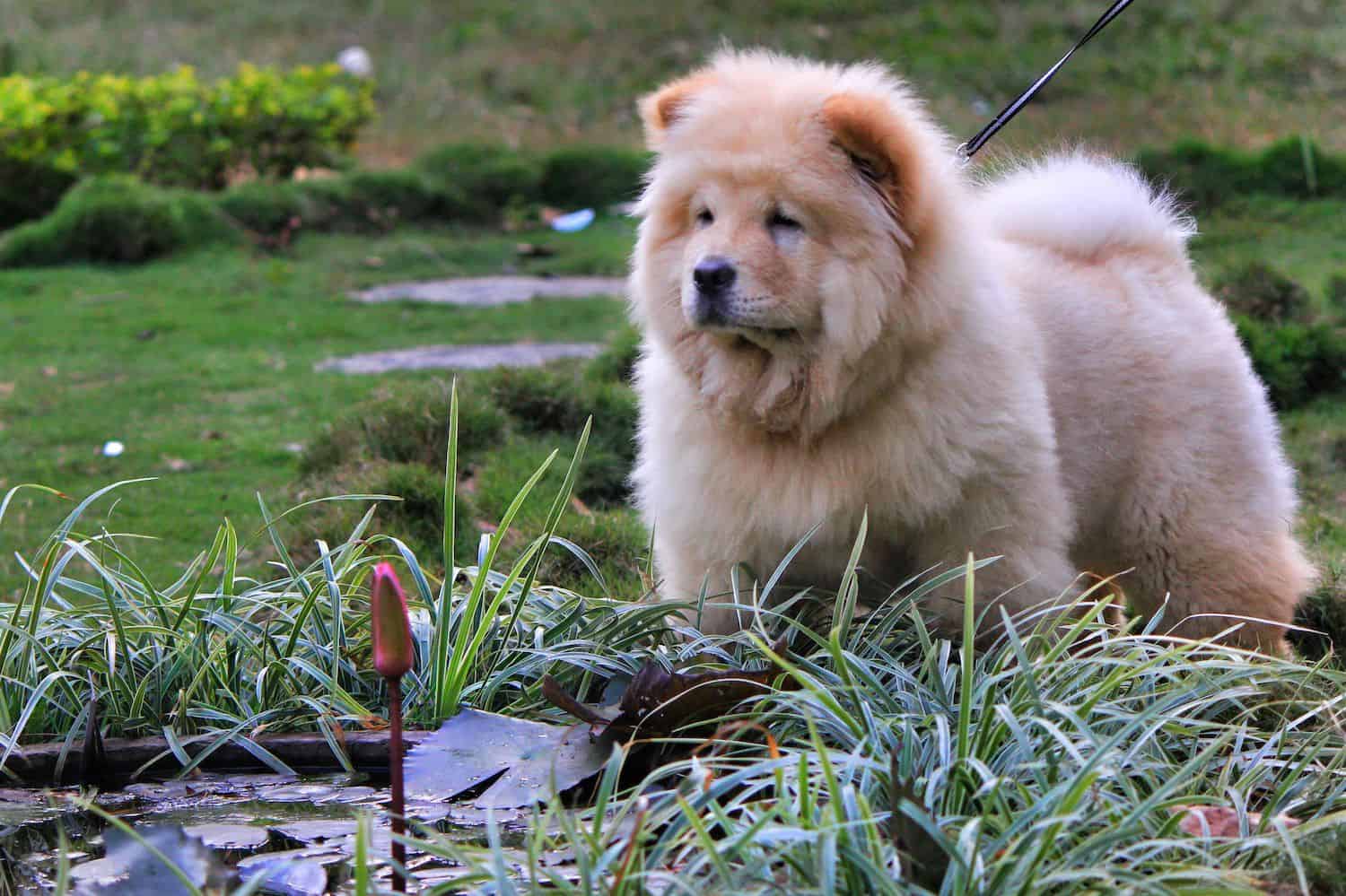
Meet the enchanting Teddy Bear puppies – tiny, fluffy, and utterly charming, they redefine the concept of love at first sight. Brimming with joy and playfulness, these little companions are as cuddly as can be, delighting in showcasing cute tricks and earning your heart with unwavering devotion. Teddy Bears eagerly participate in every family activity, cherishing games, cuddles, and training sessions.

Table of Contents

History and Origin

The Teddy Bear’s origin lies in the intentional breeding of small, affectionate dogs to create delightful and loving companions. While not officially recognized by major kennel clubs, their popularity has soared, making them cherished members of countless households.

Breed Purpose

Teddy Bears are designed to be wonderful companions, excelling in providing love and joy to families, singles, and seniors. Their adaptable nature suits various living situations, from apartments to farms.

Appearance

Size

As a Toy Breed, Teddy Bears average 9 to 12 inches in height and 6 to 14 pounds in weight.

Coat Type and Colors

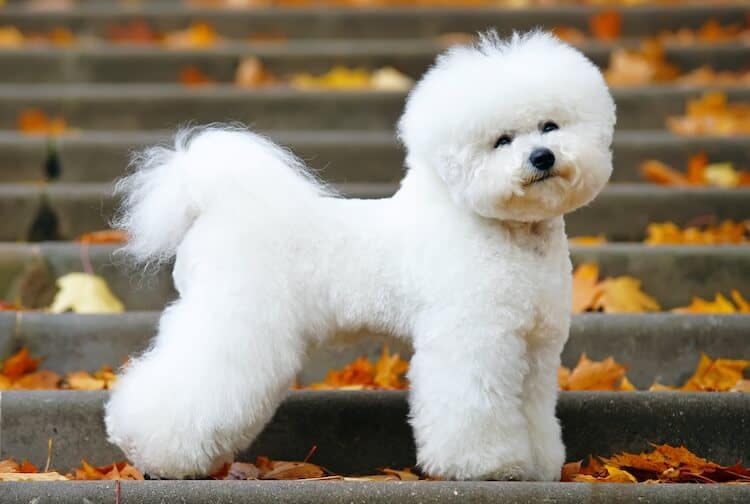
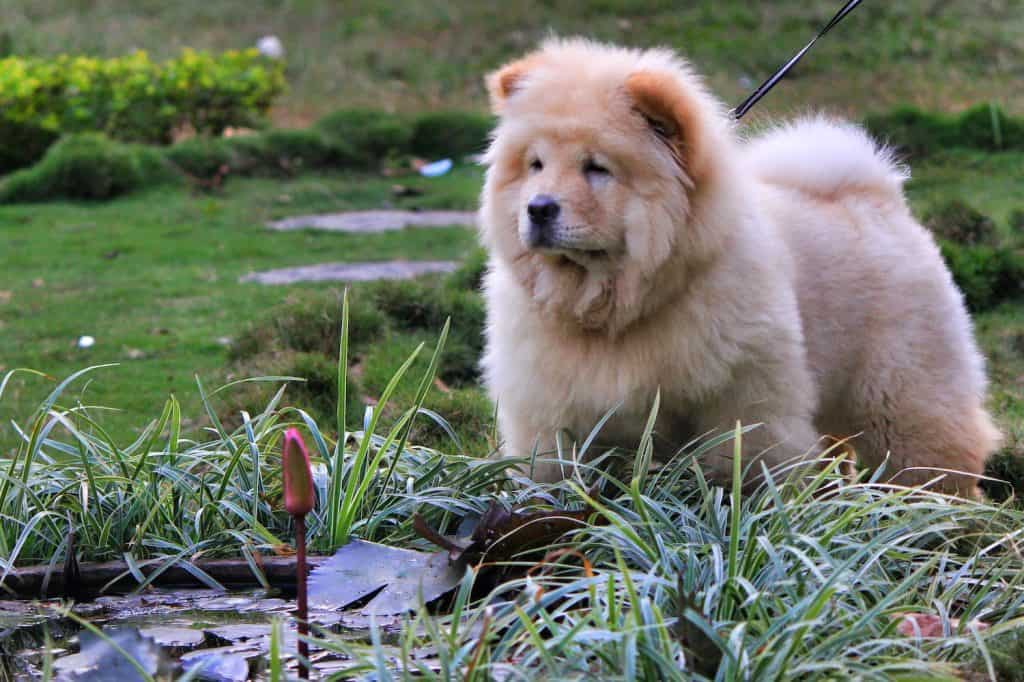
They boast a hypoallergenic, non-shedding coat available in various colors, including brown, black, white, and cream. Teddy Bears come in Teacup, Mini, and Toy varieties.

Distinctive Physical Characteristics

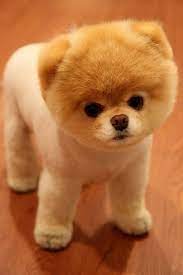
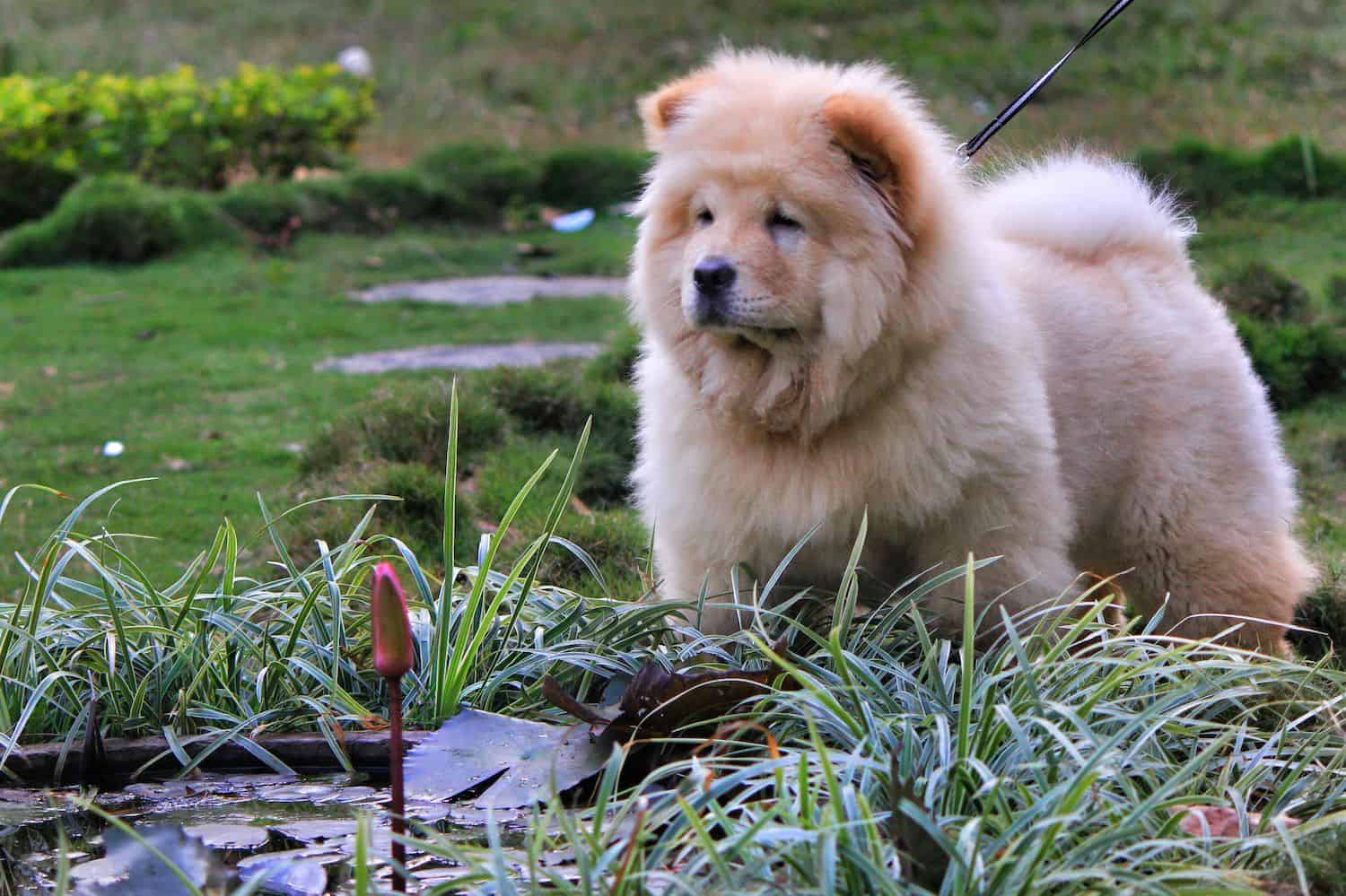
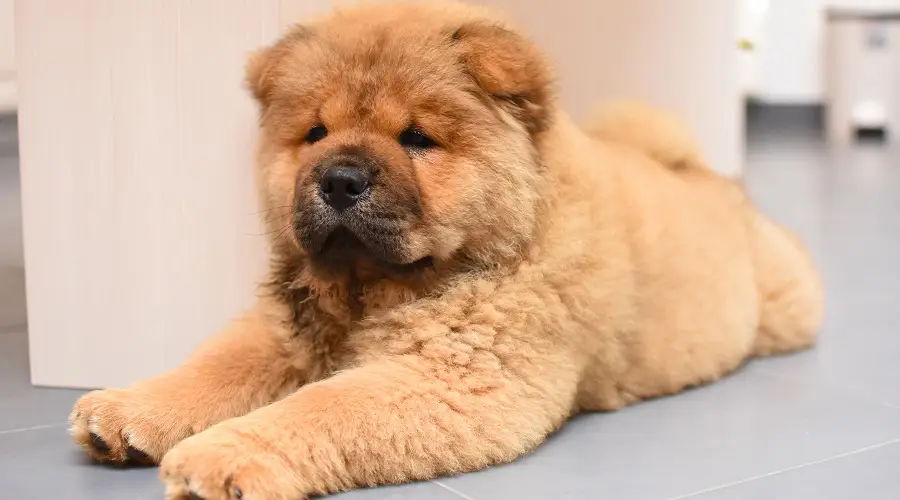
With endearing eyes, round faces, and fluffy coats, Teddy Bears capture the essence of a teddy bear, radiating charm and cuteness.

Temperament

Teddy Bears exude friendliness and form affectionate bonds with kids, other pets, and strangers alike. Their charismatic nature makes them excellent therapy dogs.

Behavioral Traits

Playful, affectionate, and adaptable, Teddy Bears seamlessly integrate into various family activities, showcasing equal love to all members.

Compatibility with Families

Good with Kids?

Teddy Bears are wonderful with children, forming strong and loving bonds.

Good with Other Pets?

They harmonize well with other pets, showcasing a hypoallergenic, non-shedding coat.

Social and Behavioral Tendencies

Social Needs

Teddy Bears thrive on affection and adapt well to different living situations.

Tendency to Bark or Howl

Generally, they are not excessively vocal but may bark when excited or as a form of communication.

Intelligence and Trainability

Learning and Obedience

Intelligent Teddy Bears respond well to training, transforming into obedient and cooperative learners.

Training Methods

Short, interactive sessions with positive reinforcement techniques, such as cheers and tasty treats, work well.

Ease of Housebreaking

Consistent housebreaking is essential, incorporating a routine to establish good habits.

Exercise Needs

Daily Exercise Requirements

Teddy Bears are playful and enjoy brisk walks and lively indoor play for their physical and mental well-being.

Suitable Activities

Engaging in spirited outdoor play and laid-back indoor sessions meet their exercise needs.

Grooming Requirements

Frequency of Grooming Needed

A monthly bath, weekly brushing, and regular checks for ears, eyes, teeth, and nails maintain their charming appearance.

Specific Grooming Tips

Regular teeth brushing and caution against over-exercising, overfeeding, and rough play contribute to their overall health.

Shedding

Teddy Bears have a hypoallergenic, non-shedding coat, making them suitable for those with sensitivities.

Diet and Nutrition

Dietary Needs

A balanced diet with high-quality dog food supports their overall good health.

Recommended Feeding Schedule

Establishing a regular feeding schedule contributes to their well-being.

Special Dietary Considerations

Caution against overfeeding and a focus on a nutritious diet help prevent health issues.

Health and Care

Common Health Issues

While generally healthy, occasional conditions like hypothyroidism, epilepsy, eye problems, or hip dysplasia may arise.

Preventive Measures

Balanced diet, proper exercise, and a caring atmosphere contribute to their longevity.

Lifespan

The Teddy Bear’s life expectancy ranges from 12 to 18 years, exceeding 18 years in a loving environment.

Living Conditions

Ideal Living Environment

Adaptable to various living situations, from apartments to farms.
Adaptability to Weather Conditions

Suitable for different weather conditions.

Special Needs

Any Special Care

Caution against over-exercising, overfeeding, and rough play to prevent serious health concerns.


Cost of Ownership

You can expect to pay between $450 and $1,500 for a Teddy Bear puppy

Breed-Specific Tips and Advice

Training Challenges and Tips

Consistent short sessions and positive reinforcement enhance their learning.

Tips for First-Time Owners

Provide love, attention, and consistent training.

FAQs

Testimonials from Owners

Recommended Reading

Suggest books and articles that offer in-depth information on Teddy Bear, their care, and training.

  1. The Complete Guide To Teddy Bear Puppies: Everything to Know About Finding, Raising, and Loving your Teddy  – February 9, 2016 by David D Anderson

Connect with Us for More Information or to Schedule a Visit! Are you ready to welcome a Teddy Bear Puppy into your heart?Whether you seek a cuddly companion
or have questions about this charming breed, we're here to help! Contact us for more information, personalized advice, or to schedule a visit with these
adorable and affectionate Teddy Bear Puppies. Your journey to instant love begins here!