

In the world of companionship, the healing power of dogs is a profound and comforting force, especially for those battling anxiety or depression. While all dogs have a special healing power, it’s important to explore the breeds that are especially known for their calming influence and unwavering support.
From the innate empathy of certain breeds to the transformative impact dogs can have on mental health, we unravel the deep connection between individuals and their four-legged healers. Through heartfelt testimonials and practical guidelines, we aim to illuminate the path towards choosing and caring for a therapeutic dog, unlocking the profound healing potential these furry companions bring into the lives of those in need.
5 Dog Breeds Known for Calming Influence and Support
1. Poodle or Doodle

Poodles and their popular hybrids, doodles, are widely recognized as excellent choices for emotional support animals due to a combination of their temperament, intelligence, and hypoallergenic qualities. These breeds have a remarkable ability to sense and respond to their owner’s emotions. Whether it’s offering a paw during moments of sadness or providing joyful antics to uplift spirits, poodles, and doodles naturally tune in to the emotional needs of their human companions.
2. Pug

Pugs, with their irresistibly charming personalities, make exceptional emotional support animals. Renowned for their affectionate and gentle nature, pugs have an innate ability to sense and respond to the emotional needs of their owners. Their expressive faces and warm, soulful eyes convey a sense of empathy, providing comfort during moments of distress. Pugs are also known to form strong bonds with their human companions, offering unwavering companionship and loyalty.
3. Golden or Labrador Retrievers

Golden Retrievers, Labrador Retrievers, and their crossbreed, doodles, stand out as exceptional choices for therapy dogs or emotional support animals, thanks to their warm-hearted and empathetic nature. Renowned for their gentle demeanor, these breeds have an intuitive ability to sense and respond to the emotional needs of their owners.
Known for their loyalty and affection, Golden and Labrador Retrievers offer support during moments of stress or sadness. Their playful and adaptable nature makes them versatile companions, capable of uplifting spirits and bringing joy to those suffering from mental health issues.
4. Corgi
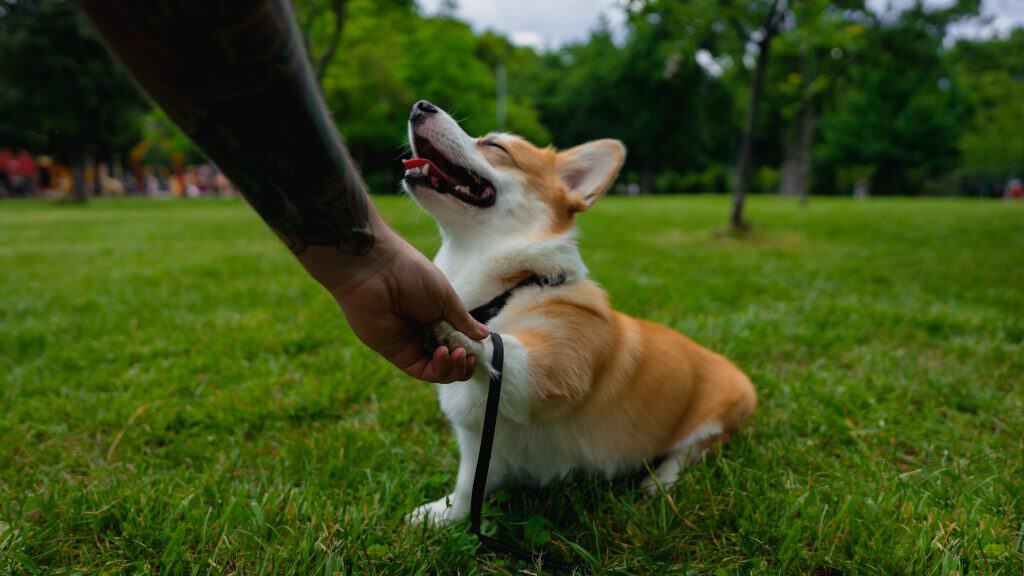
Corgis have an innate ability to lighten the mood and bring joy to their owners. Known for their swift ability to form strong connections with humans, they are frequently chosen as companion dogs for residents in nursing homes and individuals with disabilities. Their energetic yet gentle temperament creates opportunities for shared activities, contributing to a sense of routine and emotional well-being.
5. Cocker Spaniel

Cocker Spaniels thrive on companionship and are intuitively attuned to the emotions of those around them. Their friendly and adaptable demeanor makes them versatile companions, equally at ease providing comfort during quiet moments or engaging in playful activities. These emotional support animals are known to connect with kids facing mental health or emotional challenges.
Therapy Dogs & Emotional Support Animals: Positive Impact on Mental Health
The therapeutic impact of dogs on mental health is profound and multifaceted. Dogs contribute to a sense of emotional well-being by offering unconditional love, companionship, and non-judgmental support. Their presence alone can alleviate feelings of loneliness and provide a comforting anchor during moments of distress.
Engaging with a dog in activities like walks, play, and even quiet moments of connection triggers the release of oxytocin and endorphins, fostering a sense of calm and happiness. The routine and responsibility of caring for a dog can also instill structure and purpose, helping individuals manage symptoms of anxiety and depression.

Testimonials from Individuals with Emotional Support Animals
“Gidget and I went on a walk for the third day in a row! For those of you who don’t know what a big deal that is, previous to getting her, I never would’ve chosen to leave the house alone–we’ve also had three different unknown men unexpectedly come to the house to work on things and I didn’t have any panic attacks!”
– Gidget
“Ninna helps me to be grounded. Sometimes when I’m crying, she’ll sit there and lick my face. Something so simple, it reminds you that you’re not the only person in the world in that moment. Your pain is not the only thing that exists.”
– Ninna and Amanda
“Unfortunately, life is never simple and I had to have bilateral knee replacements. Moose intuitively knew what to do: he would come to physical therapy sessions with me and very quickly caught on to how he could assist me. I also have a vision disability which Moose, on his own, learned how to help me with. We springboarded from here with more specific training, and after hours and hours of work, Moose is now a service dog as well as a therapy dog.”
– Carol and Moose
Guidelines for Choosing and Caring for a Therapeutic Dog
- Temperament Match – Seek breeds with calm temperaments and empathetic qualities, aligning with the emotional needs of the individual.
- Training and Socialization – Prioritize training and socialization to ensure the dog is well-behaved and comfortable in various settings.
- Routine and Stability – Dogs thrive on routine, offering a stabilizing presence. Establish a daily routine for feeding, walks, and play.
- Regular Veterinary Care – Ensure regular veterinary check-ups to monitor the dog’s health and address any concerns promptly.
- Emotional Connection – Foster a deep emotional bond through regular interaction, play, and moments of shared affection.
Healing Paws: Nurturing Hope and Resilience Through Dogs
In the silent language of a comforting gaze and the rhythmic beat of a devoted heart, dogs emerge as powerful healers for those experiencing anxiety or depression. The breeds identified for their calming influence and support, testimonials from individuals who have dogs for mental health, coupled with the profound positive impact dogs have on mental health, create a sense of hope and resilience.
If you or a loved one are looking for an emotional support animal, contact our team today!