In the realm of therapy and support for children with autism, the presence of a therapy dog can be transformative. The unique bond formed between a child and their furry friend can foster emotional and developmental benefits that extend far beyond the surface.
In this blog, we’ll explore the significant impact of dogs on children with autism, shedding light on autism-friendly dogs known for their gentle demeanor and sensory-friendly behavior. Through case studies and insights from families who have experienced the positive effects firsthand, we aim to illuminate the profound connection between autism and our loyal four-legged friends.
The Power of Canine Companionship for Child-Pet Bonding
Dogs, known for their unconditional love and intuitive nature, play a crucial role in supporting the social and emotional growth of children with autism. Certain therapy dogs, in particular, exhibit characteristics that make them well-suited for this role, offering a calming presence and a heightened sensitivity to the unique needs of their young companions.
5 Best Breeds with Sensory-Friendly Behavior for Children with Autism
1. Golden Retriever
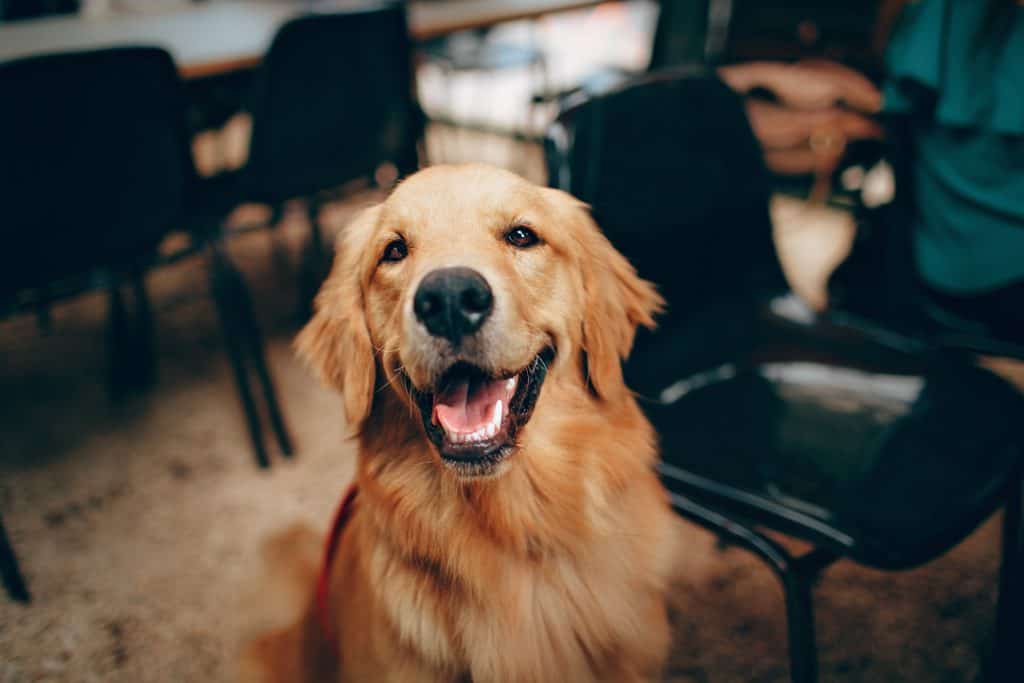
The Golden Retriever stands out for its renowned gentle and patient nature, making it an ideal choice for families with autistic children. This breed’s high trainability is a notable asset, allowing them to easily adapt to the specific needs of children on the autism spectrum. In addition to their trainable nature, Golden Retrievers are characterized by their affectionate and loyal disposition, forming strong and enduring bonds with their human companions. These qualities make them not only reliable and adaptable companions but also nurturing and supportive allies in the unique journey of raising children with autism.
2. Labrador Retriever
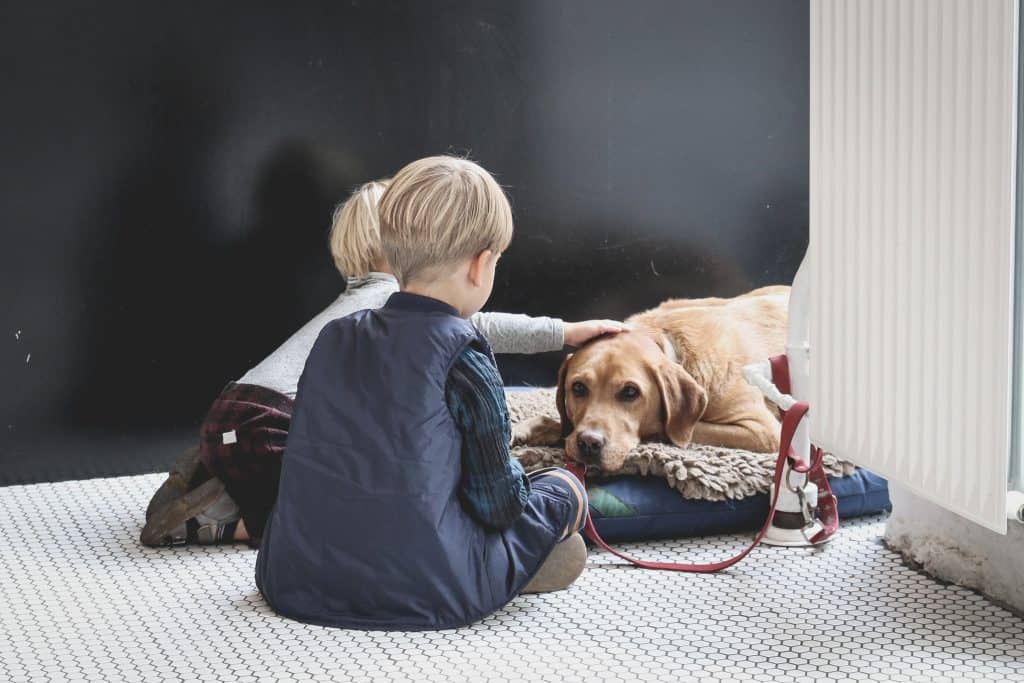
The Labrador Retriever is recognized for its friendly and outgoing temperament. With a high level of intelligence and easy trainability, this autistic-friendly dog serves as a reliable support system, effectively meeting the specific needs of children on the autism spectrum. The Labrador Retriever’s calm demeanor is an added benefit, contributing to a peaceful environment that is important to the well-being of both the dog and the child.
3. Collie
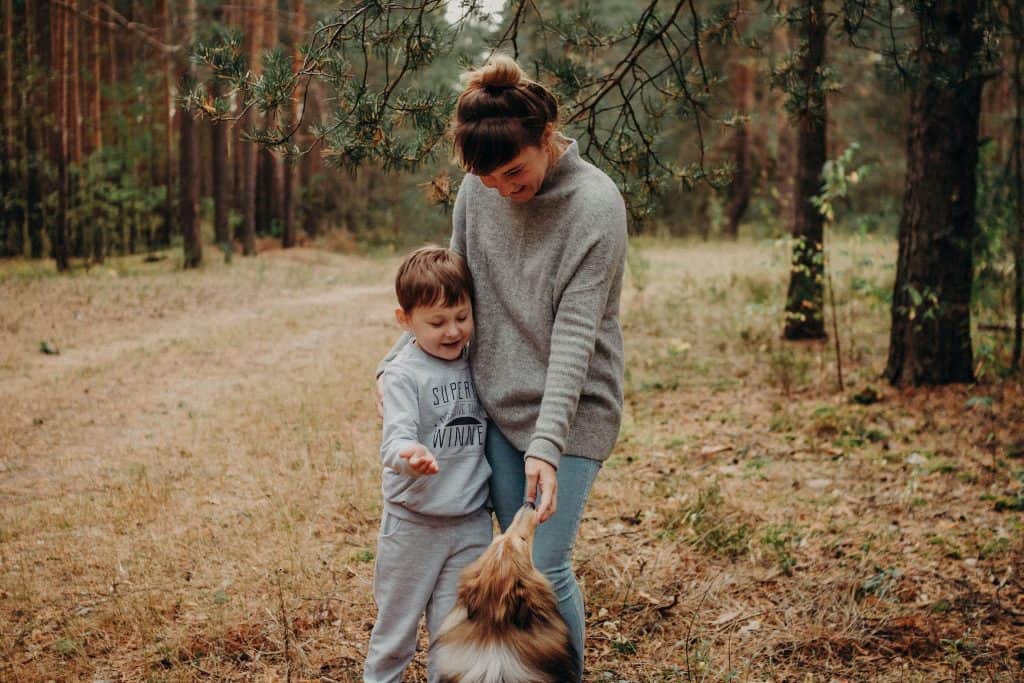
The Collie, known for its gentle and protective nature, is highly esteemed for its nurturing qualities, making it a fitting choice for families with autistic children. Collies have a natural inclination to form strong connections with children, imparting a sense of security that can be particularly beneficial in the context of autism. Their ability to readily adapt to routines further enhances their suitability as companions, offering a stable and comforting presence for children with autism.
4. Poodle Mixes
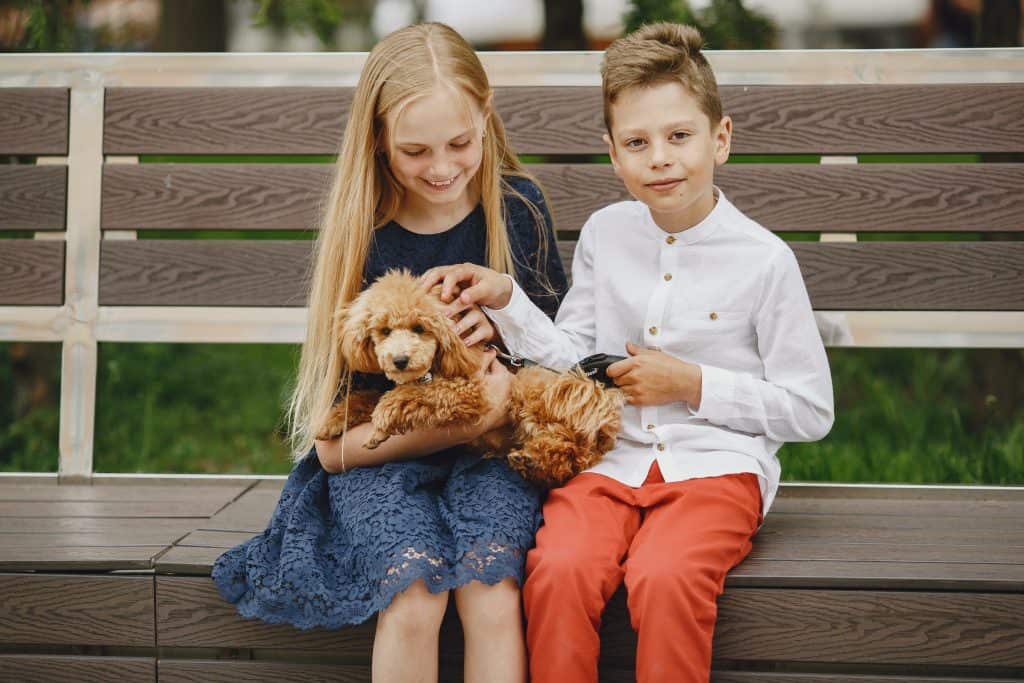
Poodles are available in three sizes: toy, miniature, and standard. If you’re seeking a smaller dog, the miniature or toy Poodle would be an excellent choice. The standard Poodle is recommended for families with younger children who may be learning to be gentle with a dog for its size and sturdiness. Poodles emerge as a favorable option for children with autism due to their friendly and affectionate nature.
The Labradoodle, a crossbreed between a Poodle and a Labrador, or Goldendoodle, a hybrid of a Golden Retriever and a Poodle, also stand out as a popular choices for families with children on the autism spectrum.
Note: Poodles are inclined to bark, which may be a consideration for children who are sensitive to sounds.
5. Great Pyrenees
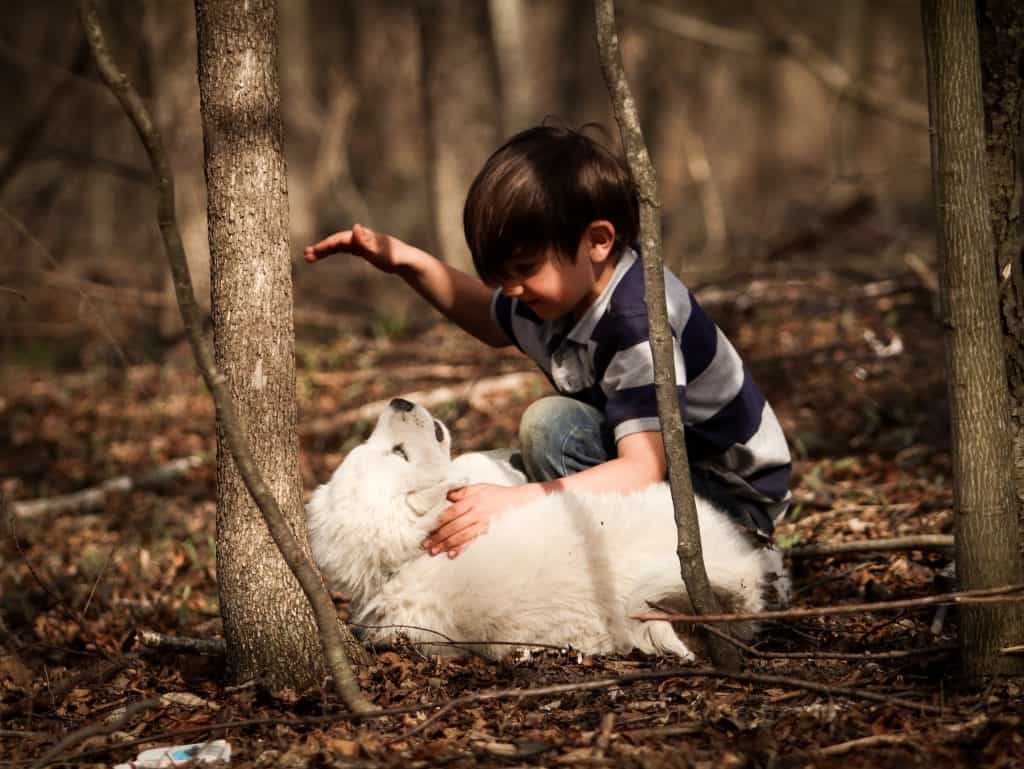
In your search for a devoted autism service dog, the Great Pyrenees stands out as an exceptional choice. With a gentle demeanor coupled with unwavering loyalty, this breed is particularly well-suited for children with autism who seek both a guardian and a steadfast companion. Their high intelligence allows them to quickly grasp commands and perform specific tasks with ease. It’s crucial to note that this breed requires ample daily exercise and ongoing training to maintain proper discipline and ensure a peaceful relationship.
Ways Autistic-Friendly Dogs Can Aid in the Social and Emotional Development Stages
The presence of autism-friendly dogs can significantly contribute to the social and emotional development process of children with autism.
Here are several ways in which these furry friends can make a positive impact:
1. Emotional Support
Autism-friendly dogs offer consistent and unconditional emotional support. Their calming presence can help reduce anxiety and provide a sense of security, serving as a reliable source of comfort for children on the autism spectrum.
2. Social Interaction
Dogs naturally promote social interaction. Autism-friendly dogs, trained to understand and respond to the unique needs of their handlers, encourage social engagement. This can lead to improved communication and interpersonal skills in children with special needs.
3. Enhanced Communication
Some autism-friendly and therapy dogs are and can be trained to assist with communication challenges. For non-verbal individuals with autism, a trained assistance dog may be taught to respond to specific cues or signals, facilitating communication and expression of needs.
4. Reduced Sensory Overload
Many individuals with autism are sensitive to sensory stimuli. Autism-friendly and therapy dogs are trained to remain calm in various environments, helping to reduce sensory overload for their handlers. This can contribute to a more comfortable and controlled sensory experience.
5. Encouragement of Physical Activity
Dogs, by their nature, encourage physical activity. Playful interactions, walks, and outdoor activities with an autism-friendly dog promote physical exercise, contributing to overall well-being and a healthy lifestyle.
6. Responsibility and Routine:
Caring for a dog involves a set routine, including feeding, grooming, and exercise. This responsibility can instill a sense of routine and structure in the lives of children with special needs, fostering a sense of purpose and accomplishment.
7. Companionship
The child-pet bonding forms constant companionship. This loyal bond can alleviate feelings of loneliness and isolation, offering a steadfast friend who accepts and loves their handler unconditionally.
8. Stress Reduction
The presence of a dog has been shown to reduce stress and promote relaxation. For autistic children who may experience heightened stress levels, the calming influence of an autism therapy dog can be particularly beneficial.
9. Improved Self-Esteem
The companionship and acceptance offered by autism-friendly and therapy dogs can contribute to improved self-esteem. The non-judgmental nature of the relationship allows children with autism to feel valued and accepted.
Through their unconditional love, these furry friends become pillars of support, aiding in the development of empathy, patience, and a sense of responsibility in children.
Tips for Introducing a Dog into a Home with an Autistic Child
- Gradual Introduction – Ease the transition by gradually introducing the dog to the child, allowing them to become familiar with each other’s presence.
- Training and Boundaries – Establish clear boundaries and provide training for both the dog and the child to ensure a harmonious coexistence.
- Choosing the Right Breed – Select a breed known for its gentle demeanor and compatibility with children, considering the specific needs of the child with autism.
- Supervision and Support – Supervise interactions initially and offer support as needed to ensure a positive and safe environment for both the child and the dog.
Success Stories and Real-Life Impacts on Autistic Child-Pet Bonding
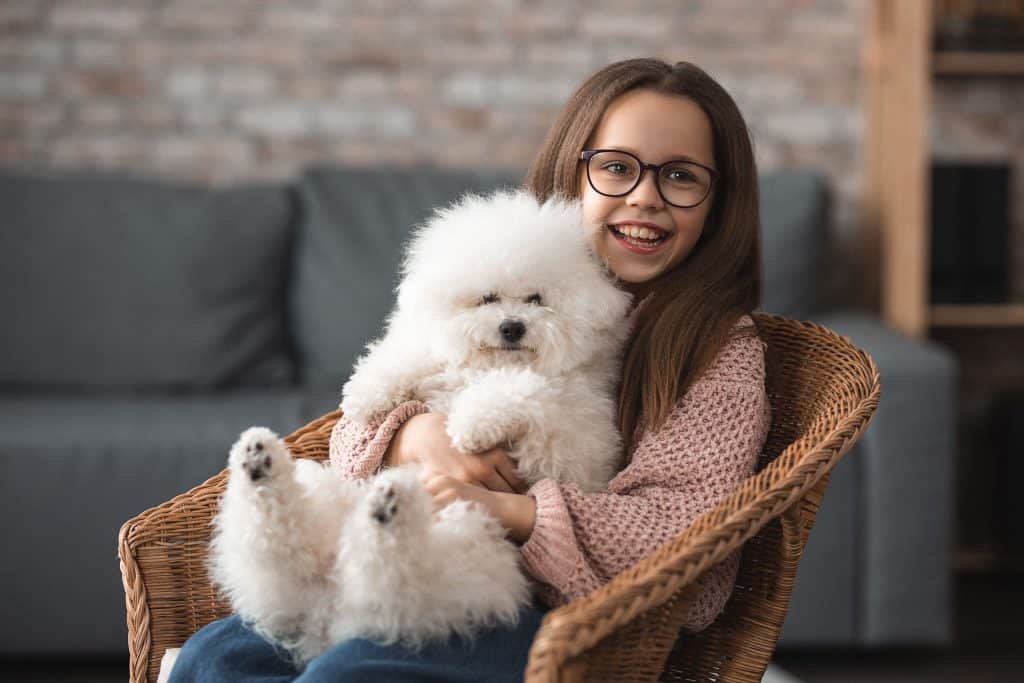
To further emphasize the positive impacts of canine companionship, we’ve gathered insights from families who have welcomed dogs into their homes. These case studies provide real-life examples of the transformative effects of the bond between children with autism and their furry friends.
“My son has been diagnosed with Global Delays and Autism. He has numerous fits, which include head-butting and destructive behaviors. George provides compression therapy which enables my son to calm down much faster. Since we have been blessed with George these destructive behaviors have decreased by 80%.”
– George & Brennan
“We went from a family of three to a family of four literally in seconds. Their bond is unwavering. He sleeps with her, lays outside her tub at bath time, lays under her chair every night during supper, plays with her in her playroom, and lays his head in her lap while riding in the car.”
– Soleil and Claira
“It took Wesley a while to bond with Josie. The rest of us bonded with her in about eight seconds, but it was about four months of him pushing her away and not really wanting her near him before we were driving home from the park one day, and I looked in the back seat and Wesley had fallen asleep with his head tilted to the side and Josie was sitting in the seat right next to him, and she had also tilted her head to the side to where she was almost touching his forearm.”
– Josie and Wesley
Paws for Progress: The Transformative Power of Canine Companionship in Autism
The inclusion of a canine companion has proven to be a source of profound comfort and support for children with autism. Through the remarkable connection between autism and therapy dogs, we can witness the emotional and developmental benefits that extend far beyond conventional therapies.
The child-pet bonding connections remind us of the transformative power that love and understanding, in both human and canine forms, can bring to a child’s world.